A New Surface Changes Everything
Your pool's interior finish does more than set the color of the water — it determines how the pool feels underfoot, how easy it is to maintain, and how long it lasts before the next renovation. When that surface starts to roughen, stain, or crack, it's not just cosmetic. It's costing you time, chemicals, and comfort every day you swim in it. We manage every pool resurfacing project from start to finish — from draining and prep through surface application, curing, refill, and chemical startup — using premium plaster, pebble, and quartz finishes across metro Atlanta.
When Your Pool Surface Fails,
You Feel It Before You See It
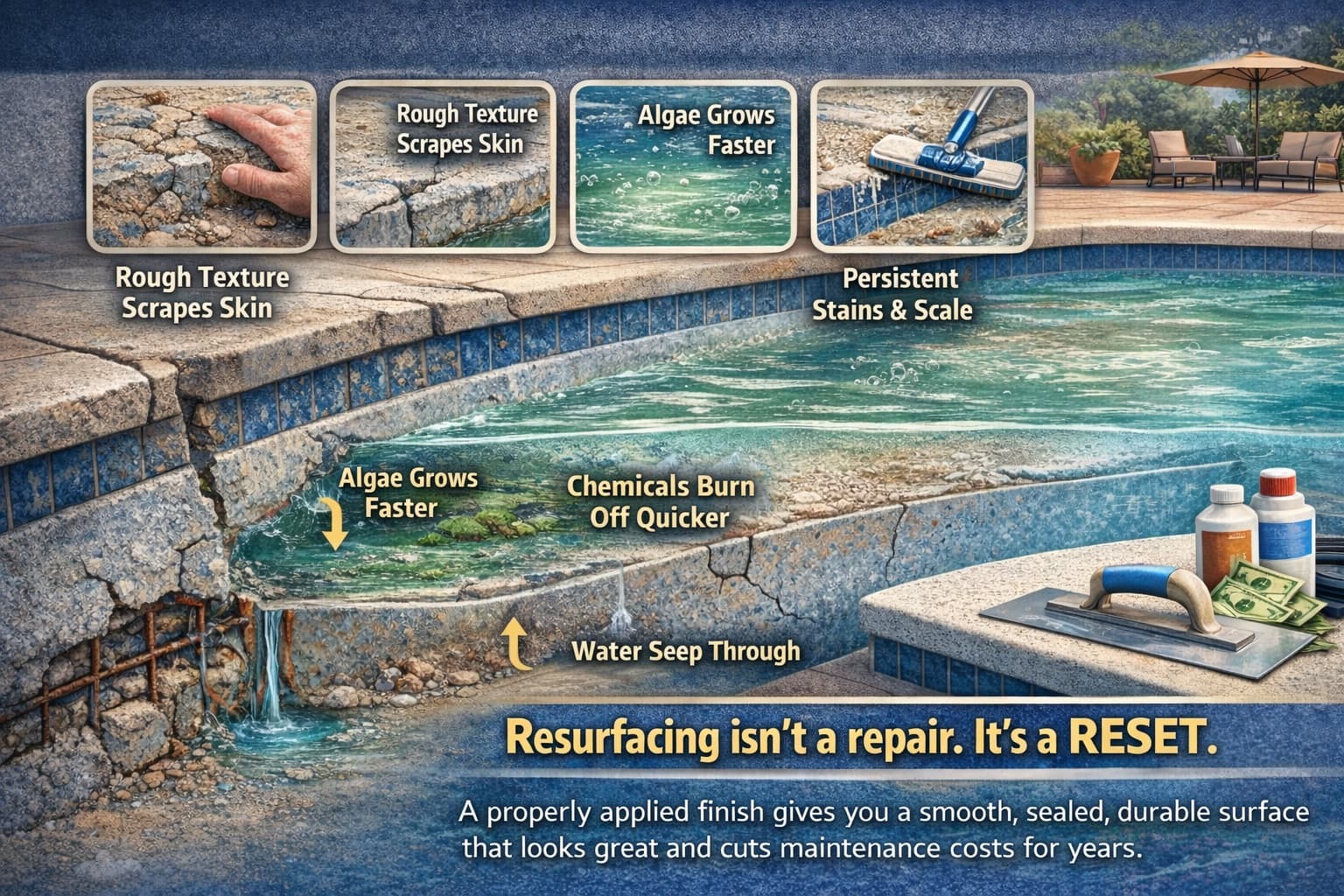
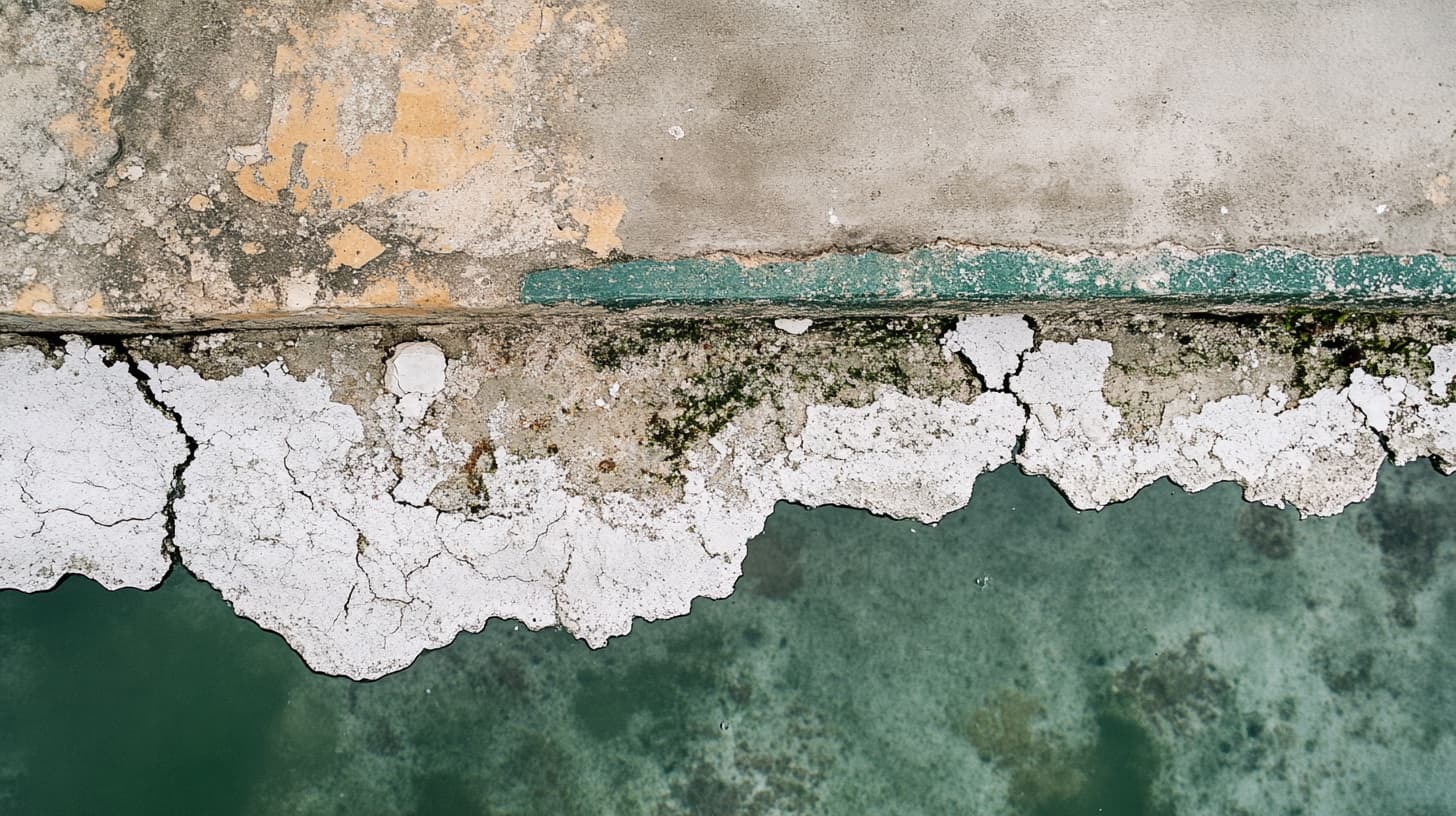
Most homeowners don't think about their pool's interior surface until something's clearly wrong — a visible crack, a stubborn stain, or a rough texture that scrapes skin and tears swimwear. But by the time those signs appear, the surface has usually been deteriorating for a while. Here's what a failing pool surface actually does:
It becomes porous, which means algae takes hold faster and chemicals burn off quicker. Your maintenance costs go up. The rough texture traps dirt and calcium deposits that no amount of brushing fully removes. Small cracks let water reach the gunite or concrete shell beneath, which can lead to structural issues if left unchecked. And the aesthetic impact is obvious — a pool that looks dingy no matter how balanced the water chemistry is.
Resurfacing isn't a repair. It's a reset. A properly applied finish gives you a smooth, sealed, chemically resistant interior that looks clean, feels comfortable, and protects the structure underneath for the next 7 to 15 years depending on the material you choose.
Choosing Your Finish
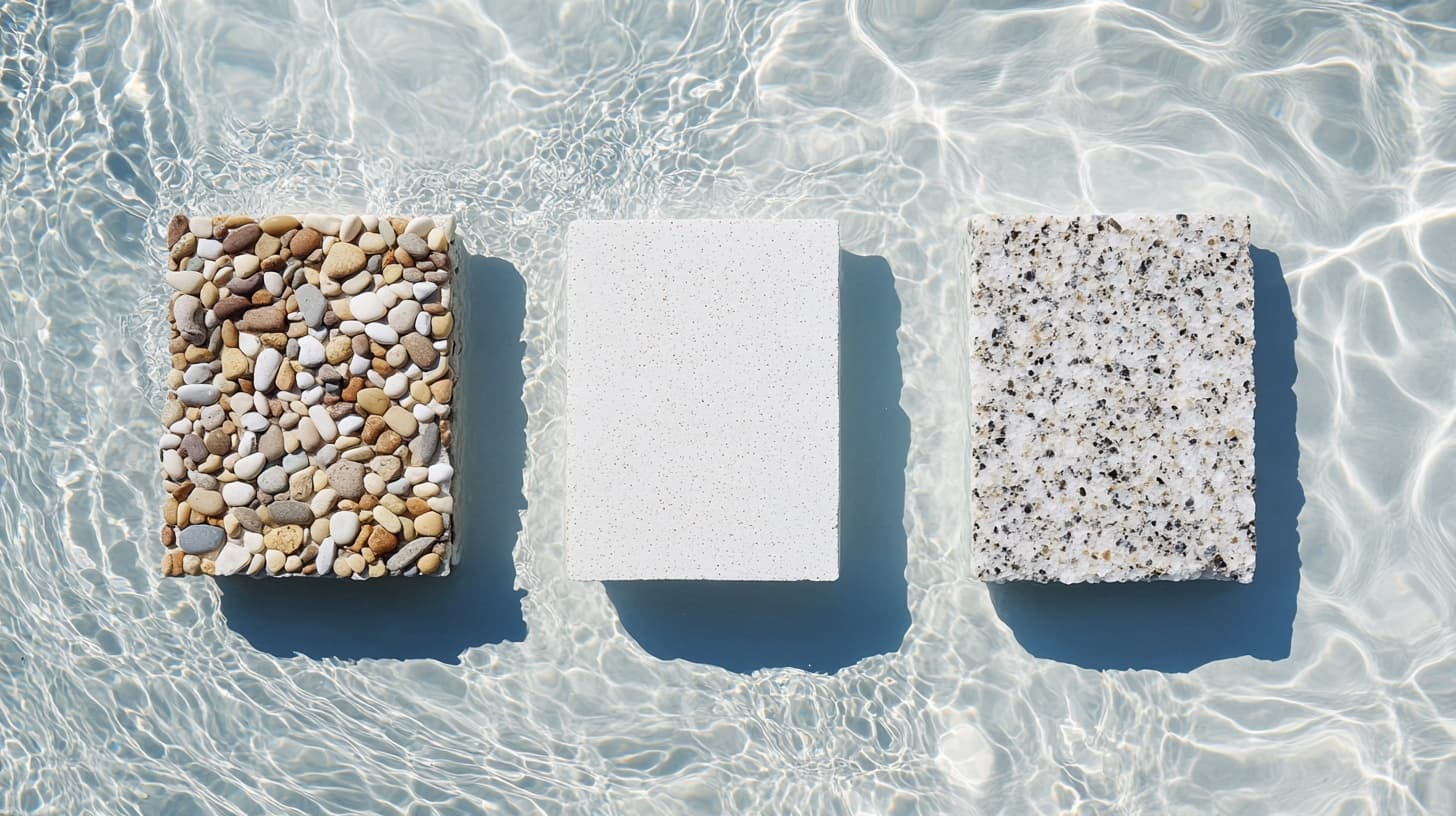
Not all pool surfaces are created equal. The finish you choose affects the color of your water, the texture under your feet, the lifespan of the surface, and the level of maintenance required to keep it looking its best. Here's an honest breakdown of the three main categories we work with.
Plaster
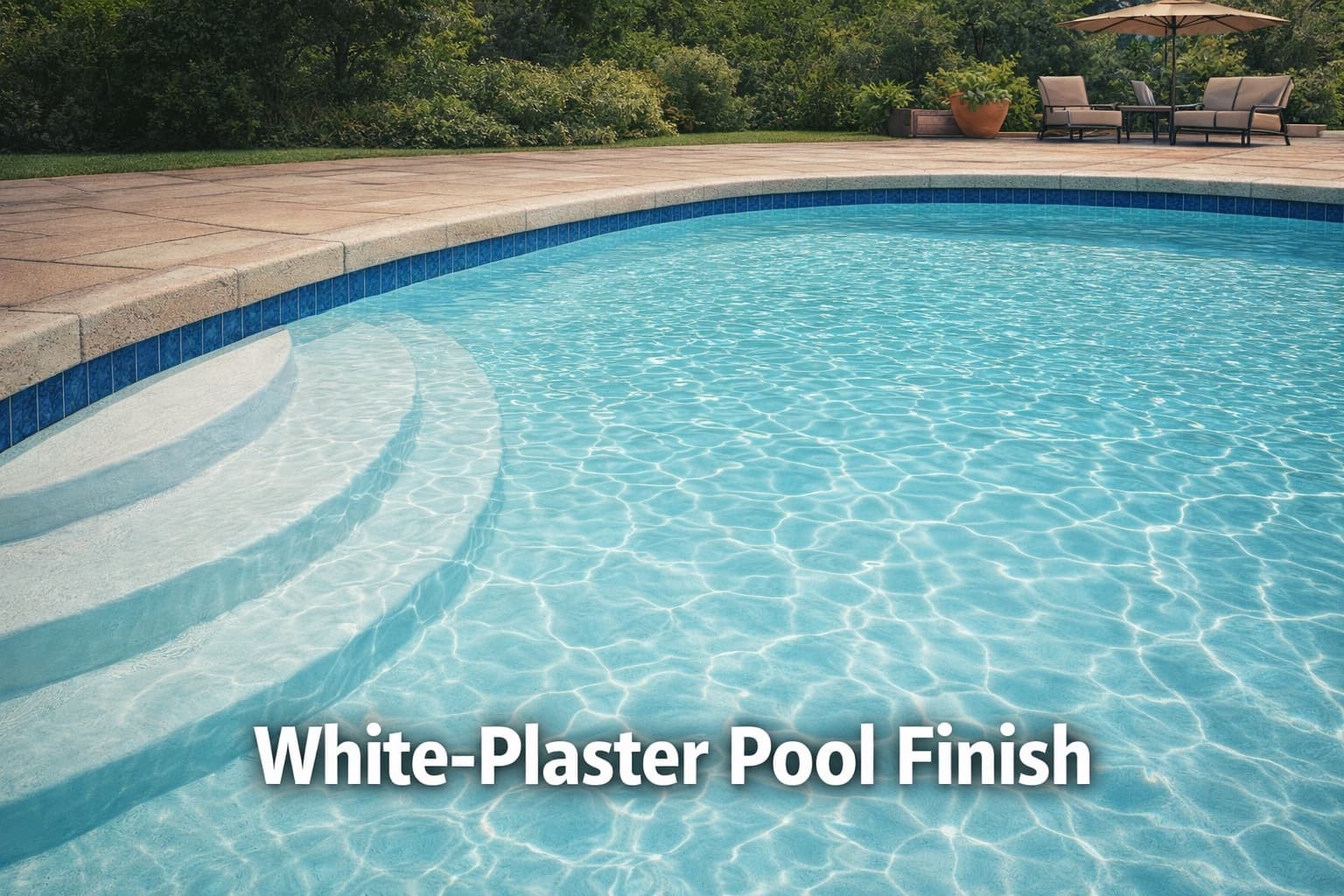
Traditional white plaster has been the standard pool finish for decades, and for good reason — it's affordable, it creates that classic light-blue water look, and when it's applied well, it provides a smooth, comfortable surface. Modern plaster mixes also come in a range of colors beyond white, so you're not locked into one aesthetic.
That said, plaster is the least durable of the three options. It's more susceptible to etching, staining, and calcium scaling, and it typically needs to be resurfaced again within 5 to 7 years depending on water chemistry and maintenance habits. It's a strong choice for homeowners who want a clean, proven look at a lower price point — but it does require more attentive chemical management to keep it looking sharp.
Best For
Homeowners who want a classic look, are comfortable with regular maintenance, and may plan to resurface again in the medium term.
Typical Lifespan
5–7 years
Pebble
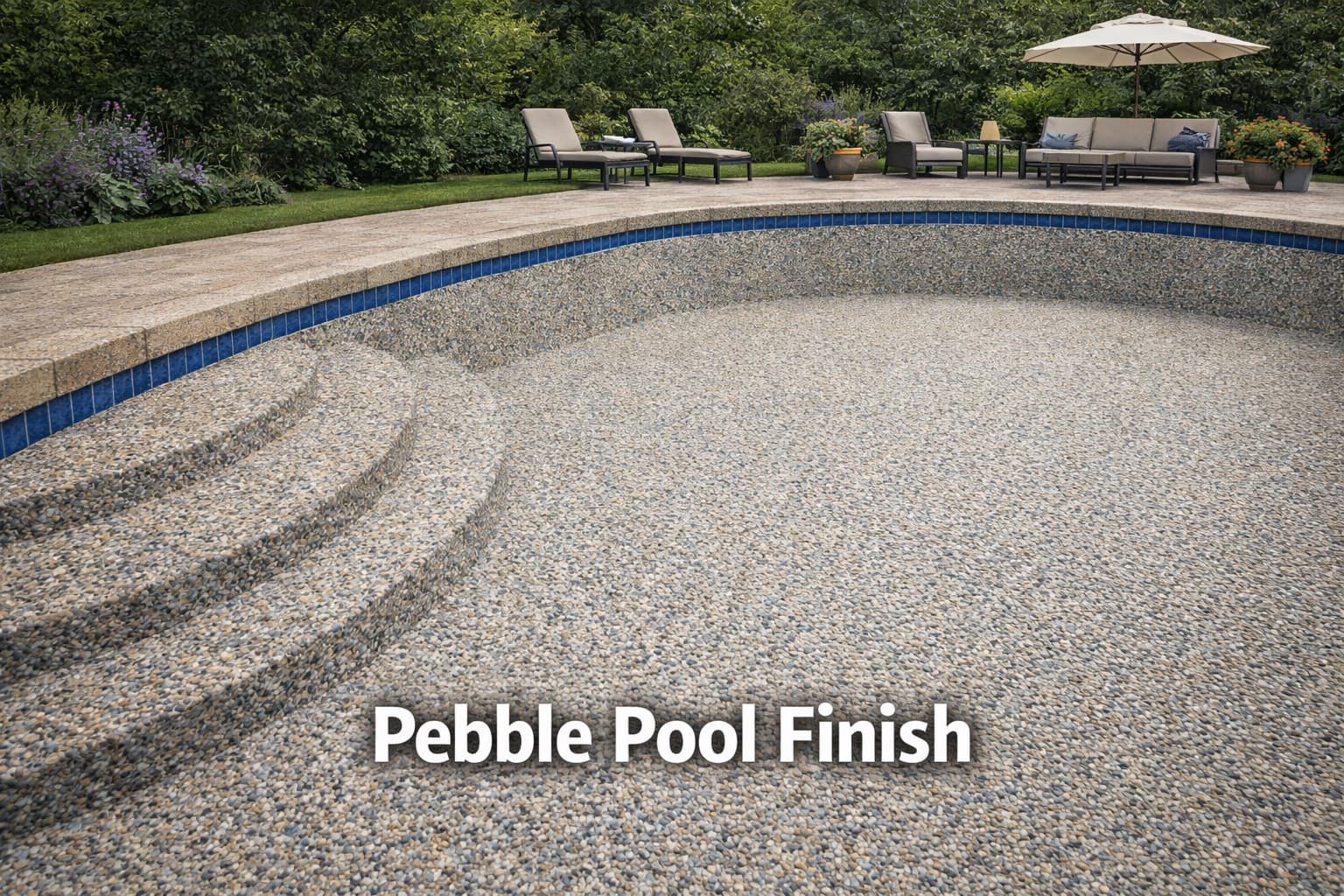
Pebble finishes use small, naturally colored stones embedded in a cementitious base to create a surface that's significantly more durable than plaster. Brands like PebbleTec, PebbleFina, and StoneScapes dominate this category, and each offers a wide range of aggregate colors and textures. The result is a rich, organic look that gives the water a deep, natural tone — think lagoon blues, coastal greens, or warm earth tones depending on the blend.
Beyond aesthetics, pebble finishes are far more resistant to chemical wear, staining, and etching than plaster. They hold up better over time and typically last twice as long. The tradeoff is texture — pebble surfaces have a more textured feel underfoot, which some homeowners love for its slip resistance and others find rougher than expected. The specific product line matters here. PebbleFina, for example, uses a smaller aggregate for a smoother feel, while standard PebbleTec has a more pronounced texture.
Best For
Homeowners who want longevity, a natural aesthetic, and reduced long-term maintenance. The most popular choice for full pool renovations in our experience.
Typical Lifespan
10–15 years
Quartz
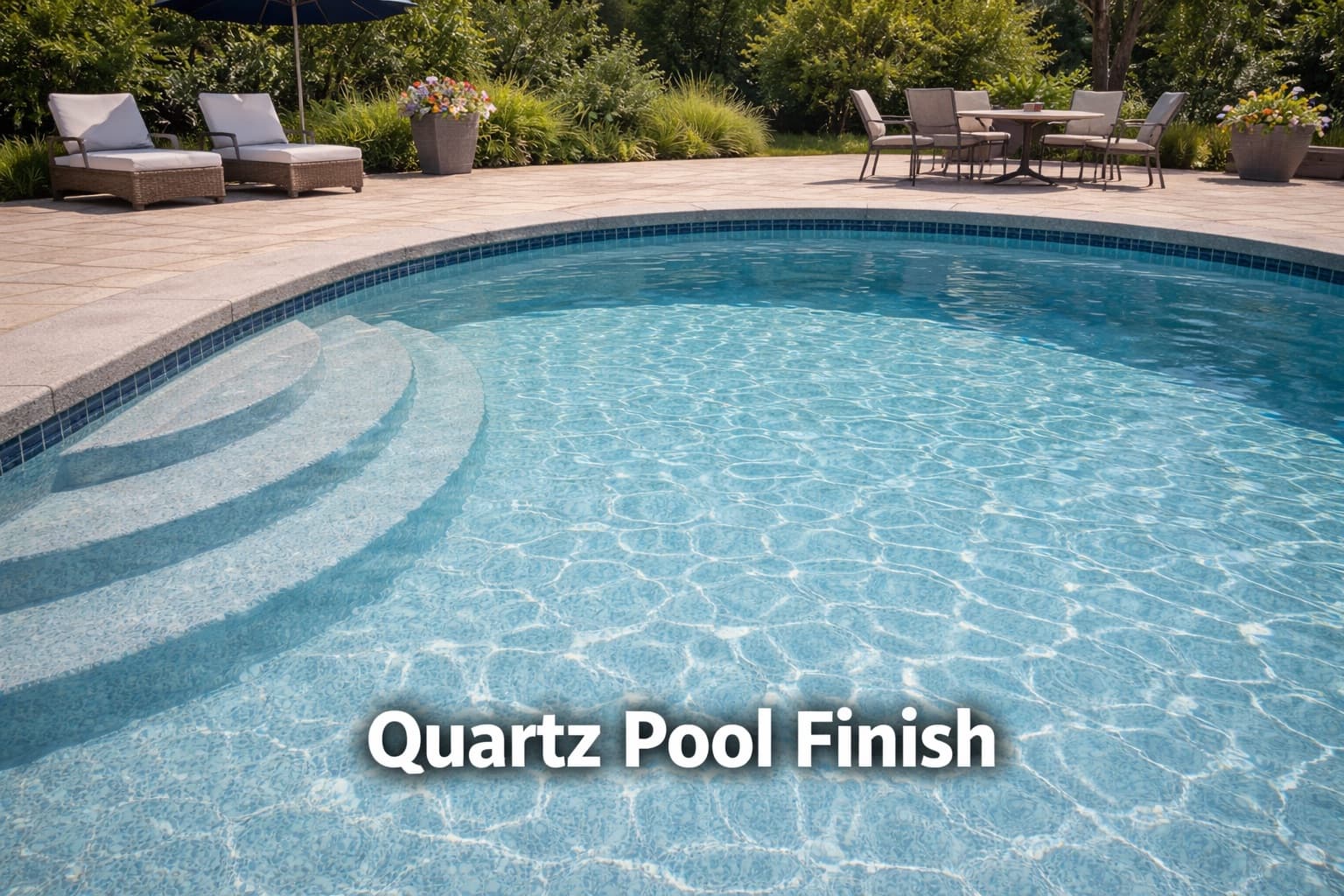
Quartz finishes blend crushed quartz aggregate into a polymer-modified cement base, creating a surface that sits somewhere between plaster and pebble in both appearance and performance. The quartz crystals give the surface a subtle shimmer — especially in direct sunlight — and the color options tend to be more refined and consistent than pebble, which has more natural variation.
In terms of durability, quartz significantly outperforms standard plaster and holds up well against staining and chemical imbalance. It's smoother to the touch than most pebble finishes, which makes it appealing to homeowners who want a longer-lasting surface without the textured feel. It doesn't quite match the lifespan of a high-end pebble finish, but it's a strong middle ground that balances beauty, comfort, and durability.
Best For
Homeowners who want a premium look with a smoother texture than pebble, strong durability, and a refined color palette.
Typical Lifespan
7–12 years
We Manage the Entire Process — Start to Finish
A pool resurfacing project is more than the finish application itself. It starts with a proper drain and careful preparation of the existing surface — chipping out old material, addressing any cracks or structural concerns in the shell, and making sure the substrate is clean and sound before anything new goes on top. That prep work is what determines whether your new finish bonds properly and lasts its full lifespan. It's also the step that gets rushed most often when companies are trying to move fast between jobs.
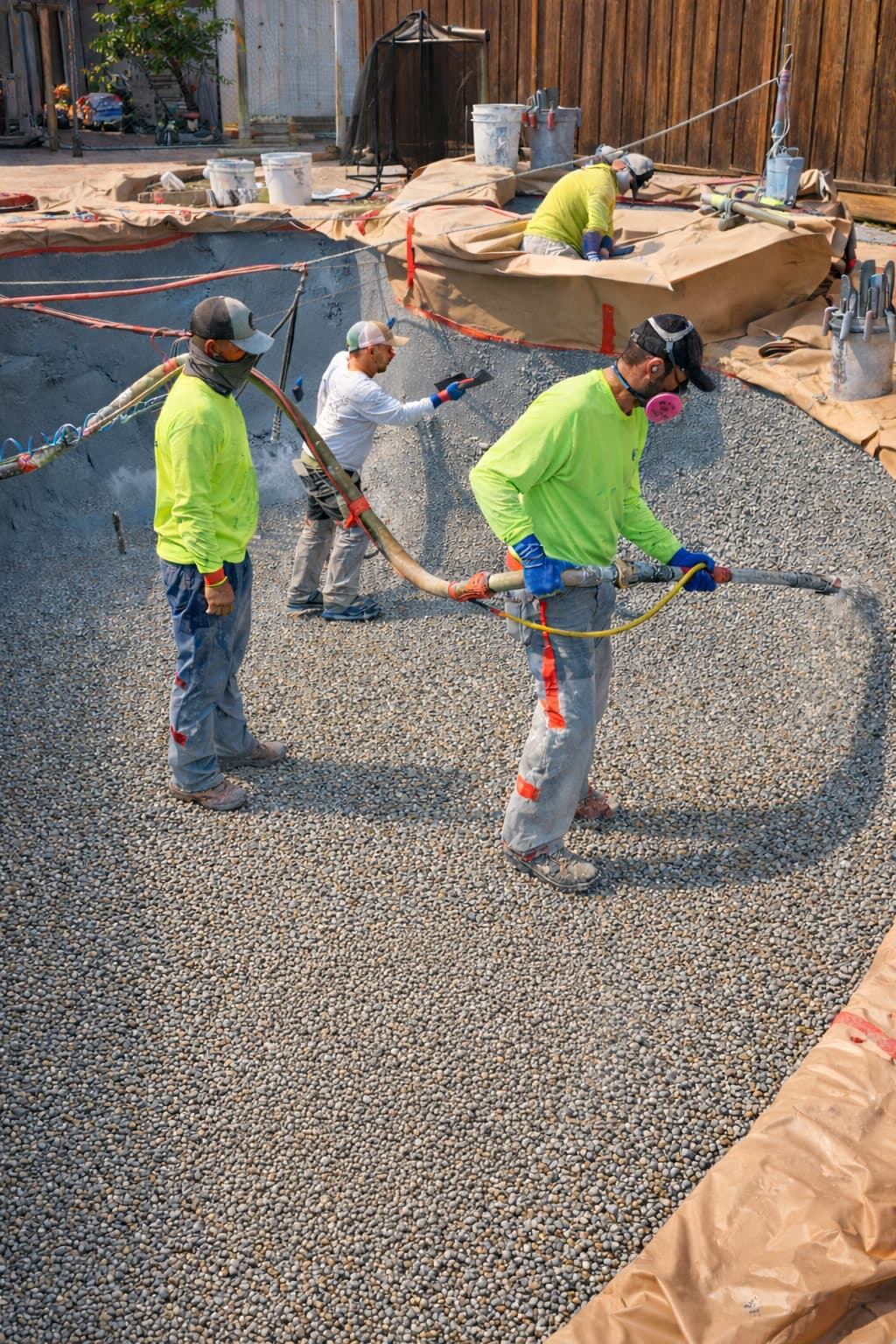
After the surface is prepped, the interior finish is applied by dedicated surface specialists — crews whose sole focus is the application of plaster, pebble, or quartz. Surface application is a highly specialized trade with narrow timing windows and zero tolerance for error, which is why we bring in applicators who do this work exclusively rather than treating it as one task among many.
But the finish application is one day in a multi-day process. Our team handles everything before and after — the initial assessment, the drain, all prep work, any coping or tile replacement being done alongside the resurface, the refill, and the critical chemical startup period that follows. We're on-site managing the project from the first day to the last, and we're the ones you call if you have a question at any point.
The result is a project where every phase gets the right expertise — specialized applicators for the surface itself, and a hands-on renovation team managing everything around it.
Common Questions About Pool Resurfacing
The most common signs are rough texture (you can feel it on your feet or it snags swimwear), visible staining that won't respond to chemical treatment, surface cracks or flaking, and persistent algae growth in areas that should be smooth. If your pool is more than 7 years old and you're noticing any of these, it's worth having the surface evaluated.
Most residential resurfacing projects take 5 to 7 days from drain to fill. That includes draining, surface preparation, finish application, curing, and refilling. Our team manages the full timeline and coordinates every phase so you have one point of contact throughout the project — not multiple crews working on different schedules.
Absolutely. Resurfacing is the best time to change your water color. The finish you choose — and its specific color blend — determines how the water looks. We'll walk you through samples and help you visualize how each option translates in your specific pool based on its depth, sun exposure, and surrounding landscape.
Not always, but it's often the smartest time to do it. Since the pool is already drained and the perimeter is exposed, replacing coping or waterline tile during a resurface avoids the cost and disruption of a separate project later. We'll give you an honest assessment of whether your existing coping and tile are worth keeping.
Replastering is a type of resurfacing — it specifically refers to applying a new plaster finish. 'Resurfacing' is the broader term that covers all interior finishes, including plaster, pebble, and quartz. When someone says they need to 'replaster' their pool, what they usually mean is they need a new interior surface, which may or may not be plaster depending on what finish they choose.
Typically 7 to 10 days after the pool is refilled. The new surface needs time to cure and the water chemistry needs to be carefully balanced during that initial period. We provide detailed startup instructions and monitor the water chemistry in the first week to make sure the finish cures properly.
From Our Blog
Helpful articles related to pool resurfacing.
Often Done Together
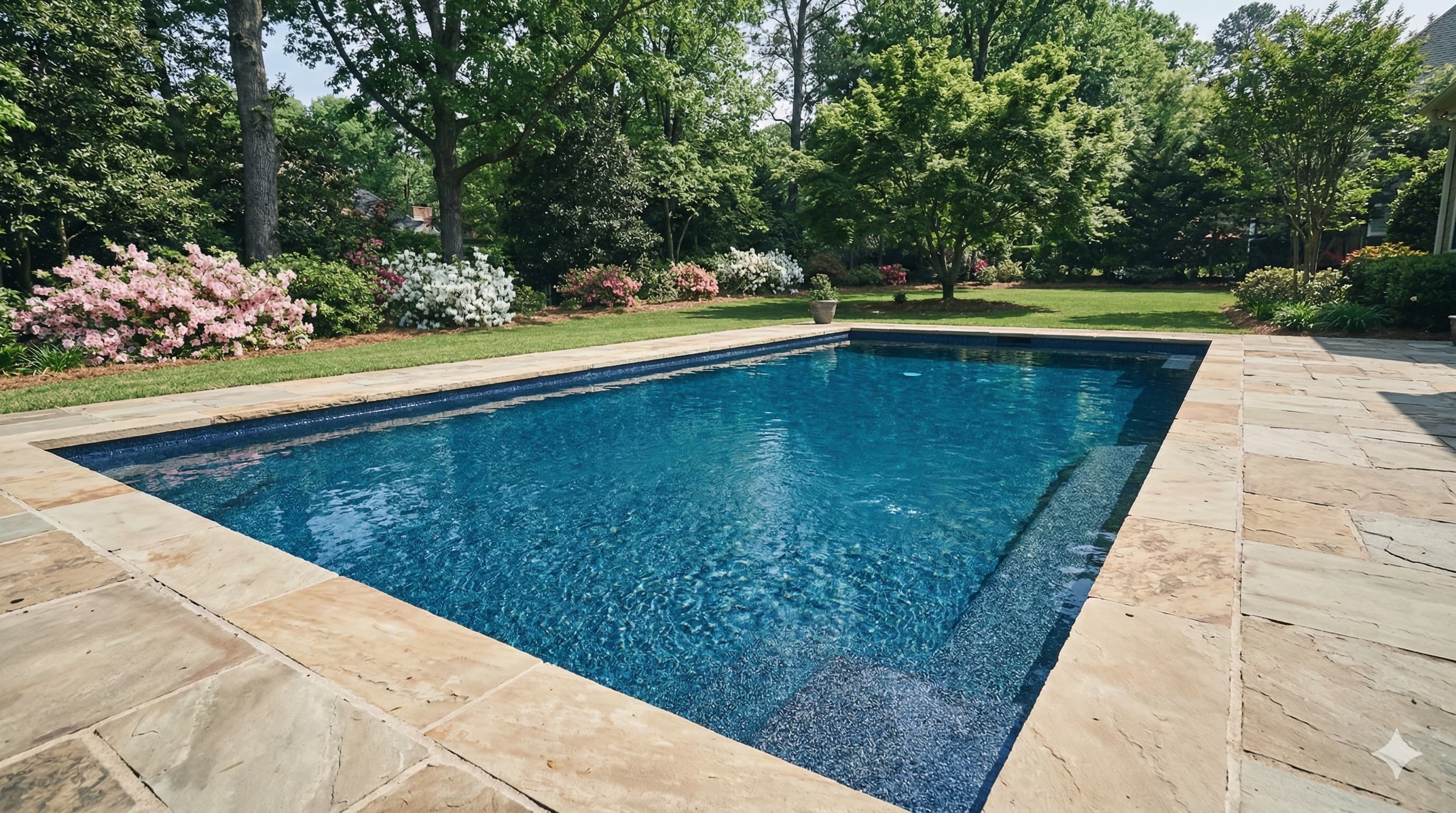
Pool resurfacing is frequently part of a larger renovation. Since the pool is already drained, it's the ideal time to address other surfaces and systems. Here are the services our clients most commonly pair with a resurface:
Coping
Coping is the cap stone that frames your pool and protects its structure. We cut, set, and finish every piece by hand — in travertine, natural stone, brick, pavers, and cantilevered concrete.
Tile
Tile is where craft is most visible — and most unforgiving. With over 15 years of tile expertise and training under Italian tile masters, we handle everything from waterline bands to full-interior glass installations.
Pool Equipment
Pumps, heaters, salt systems, automation, LED lighting, and sanitation upgrades — installed as an integrated part of your renovation, not an afterthought.
Ready to Resurface?
Tell us about your pool — when it was last resurfaced, what's bothering you about the current surface, and what you're hoping to achieve. We'll provide an honest assessment and walk you through your options, with no pressure and no obligation.