You've decided to resurface your pool. Now comes the question that trips up most homeowners: which finish material should you actually choose?
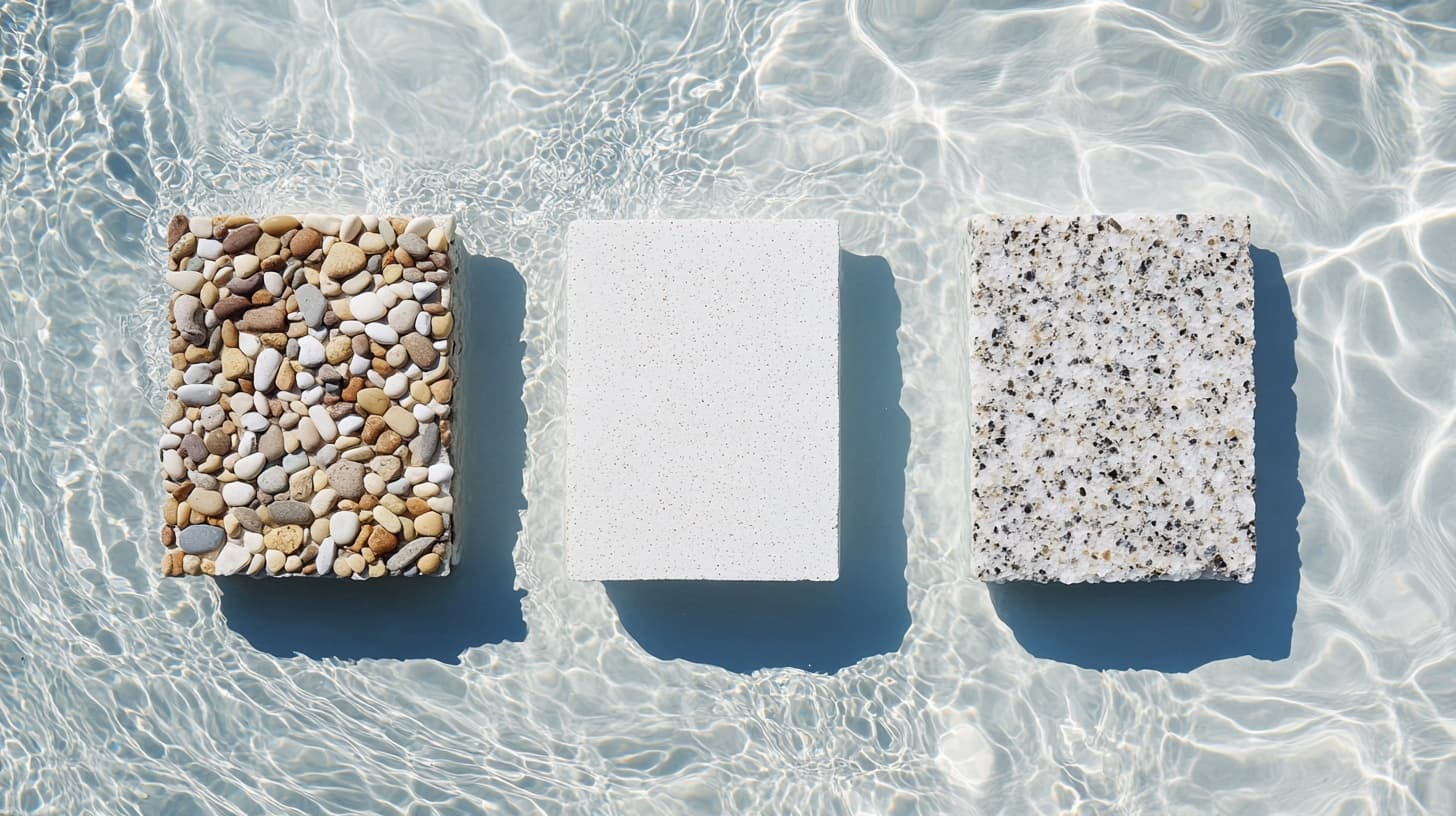
There are three real options — standard plaster, pebble aggregate (like StoneScapes), and quartz aggregate (like Diamond Brite). Each one looks different, feels different, lasts a different amount of time, and costs a different amount. And the sales pitches you'll hear from different companies will depend on which products they prefer to install, not necessarily which one is best for your pool.
So here's a straight comparison from a team that's installed all three hundreds of times.
The Quick Comparison
Before we get into details, here's the overview:
| Plaster | Pebble (StoneScapes) | Quartz | |
|---|---|---|---|
| Cost | $4,500–$7,000 | $7,000–$12,000 | $7,500–$12,500 |
| Lifespan | 5–7 years | 12–15 years | 10–15 years |
| Texture | Smooth | Textured (small pebbles) | Smooth to slightly textured |
| Stain resistance | Low | High | Moderate to high |
| Color options | Limited | Wide range | Wide range |
| Maintenance | More demanding | Forgiving | Moderate |
Now let's get into what actually matters for each one.
Standard White Plaster
What It Is
Traditional pool plaster is a mix of white Portland cement, marble dust, and water. It's been the standard pool finish for decades — if your pool was built 15 or 20 years ago, this is almost certainly what's on it now.
The Case For Plaster
Cost. It's the most affordable option, period. If budget is the primary concern and you're OK with a shorter lifespan before the next resurface, plaster gets the job done.
Classic look. White plaster gives your pool that bright, clean blue-water appearance. It's the "default" pool look that most people picture.
Smooth texture. Freshly applied plaster is smooth underfoot. Kids and adults with sensitive feet prefer it.
The Case Against Plaster
It doesn't last. In Metro Atlanta's climate — hot summers, occasional freezes, and UV exposure — white plaster typically shows real wear within 5 to 7 years. Roughness, staining, and etching are common by year 6 or 7.
Staining and etching. Plaster is porous and reactive to water chemistry. If your pH drifts even slightly, you'll see etching (rough spots where the surface dissolves) or mineral staining. Keeping plaster looking good requires vigilant water chemistry.
Color changes over time. That bright white surface gradually turns gray or develops blotchy discoloration. It's normal aging, but it bothers most homeowners long before the surface functionally fails.
Who Should Choose Plaster
Homeowners on a tight budget who want a clean surface now and are OK resurfacing again in 5 to 7 years. Also a reasonable choice for a home you're selling soon — it looks great fresh and costs less upfront.
Pebble Finish (StoneScapes)
What It Is
Pebble finishes embed small natural river pebbles into a cement base. NPP's StoneScapes is the brand we use at Cornerstone — it's the industry standard for pebble finishes and offers the best consistency we've seen across hundreds of installations.
The pebbles are exposed during the application process, giving the surface its characteristic natural texture and color depth.
The Case For Pebble
Durability. This is the main reason pebble dominates the Atlanta market right now. A StoneScapes finish holds up for 12 to 15 years — roughly double the life of plaster. Over a 15-year window, pebble is actually cheaper than resurfacing with plaster twice.
Stain and chemical resistance. The aggregate surface is far less reactive to water chemistry swings than plaster. You still need to maintain your water, but pebble is much more forgiving if things drift for a week or two.
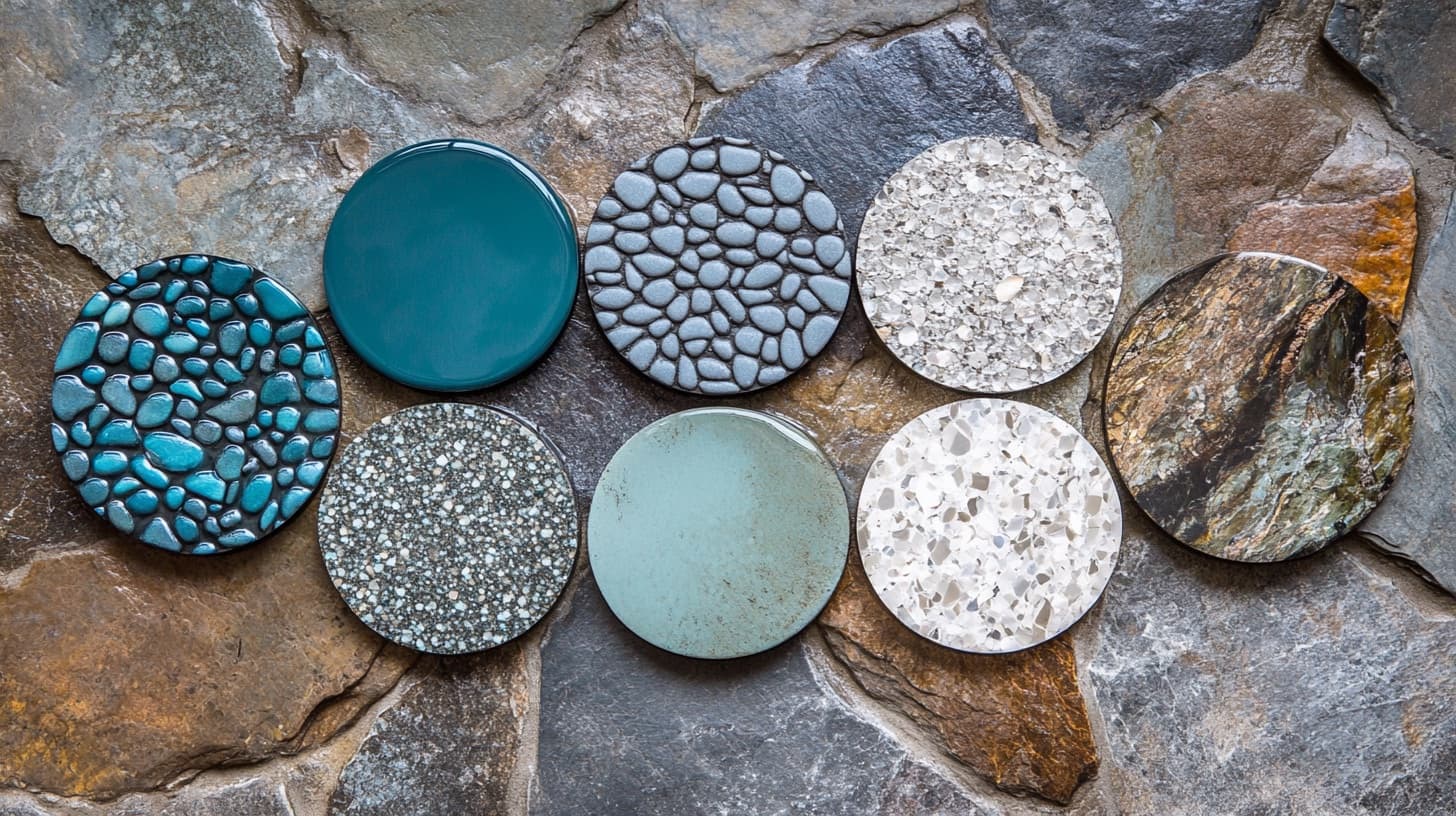
Color and aesthetics. StoneScapes comes in a range of blends — Aqua Blue, Mini Pebble Tropics, Caribbean Blue, and others. The natural stone creates depth and movement in the water that flat plaster can't match. Your pool looks less like a painted box and more like a natural body of water.
Hides imperfections. The textured surface conceals minor blemishes, calcium deposits, and small inconsistencies far better than a smooth finish.
Where Pebble Falls Short
Texture. Pebble surfaces are textured — the small stones are exposed and you can feel them underfoot. Most people get used to it quickly, and kids never seem to care. But if you spend a lot of time standing on the pool steps or sitting on benches without shoes, you'll notice it. It's not sharp or uncomfortable — it's more like fine sandpaper than gravel — but it's there.
Cost. It's roughly 50 to 70 percent more than plaster upfront. For a standard pool, that's an extra $2,500 to $5,000.
Application skill matters. Pebble finishes require an experienced crew to apply correctly. The exposure process — where excess cement is washed off to reveal the pebbles — is time-sensitive and technique-dependent. A crew that doesn't do this regularly can leave inconsistent patches. This is one area where choosing a company with deep pebble experience makes a real difference in the finished product.
Who Should Choose Pebble
Homeowners who want to resurface once and not think about it for 12+ years. If you're staying in the home and want the best long-term value, pebble is our most recommended option. It's also the best choice if your current plaster has a history of staining — pebble is far less maintenance-intensive.
Quartz Finish
What It Is
Quartz finishes (Diamond Brite, Hydrazzo, and similar products) mix crushed quartz crystals into the plaster base. The quartz adds durability and color without the textured feel of pebble. Think of it as "enhanced plaster" — the same smooth application technique, but with an aggregate that strengthens the surface.
The Case For Quartz
Smoother feel. If pebble texture is a dealbreaker for you, quartz gives you most of the durability upgrade with a much smoother finish. It's not as silky as fresh plaster, but it's noticeably smoother than pebble.
Good durability. Quartz finishes last 10 to 15 years — a significant step up from plaster, and comparable to pebble in many cases.
Color options. The quartz crystals create a subtle sparkle effect in sunlight, and the color range is broad. Lighter blends look clean and classic; darker blends create a more dramatic lagoon effect.
Where Quartz Falls Short
Not quite as tough as pebble. In our experience in Atlanta, quartz surfaces show wear slightly sooner than pebble — closer to the 10-year mark. They're more resistant to staining than plaster but not quite as bulletproof as a full pebble surface.
Some products are inconsistent. The quartz finish market has more variation in product quality than pebble. Not all "quartz finishes" are created equal. If a company is quoting quartz, ask which specific product and brand.
Can still etch. While more resistant than plaster, quartz surfaces can still etch if water chemistry is neglected. They're more forgiving than plaster but less forgiving than pebble.
Who Should Choose Quartz
Homeowners who want better durability than plaster but prefer a smoother feel than pebble. It's a solid middle ground. Also a good choice if you love the look of plaster but don't want to resurface every 5 to 7 years.
A Side-by-Side From the Same Neighborhood
Two pools on the same street in East Cobb — both built in 2005, both about the same size (roughly 400 square feet of surface) — were resurfaced within weeks of each other. One homeowner chose StoneScapes Mini Pebble in Aqua Blue. The other chose Diamond Brite quartz in French Gray.
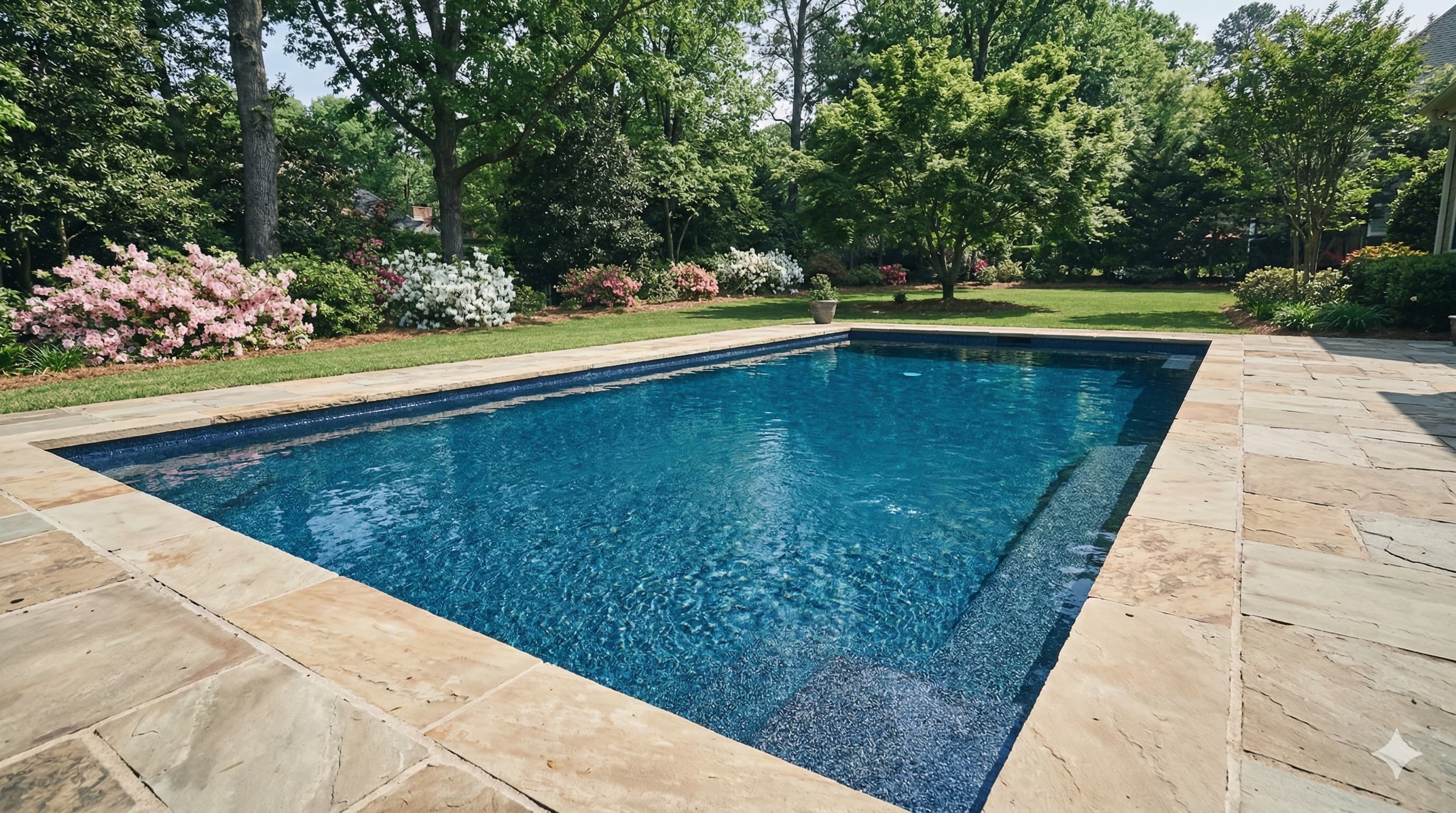
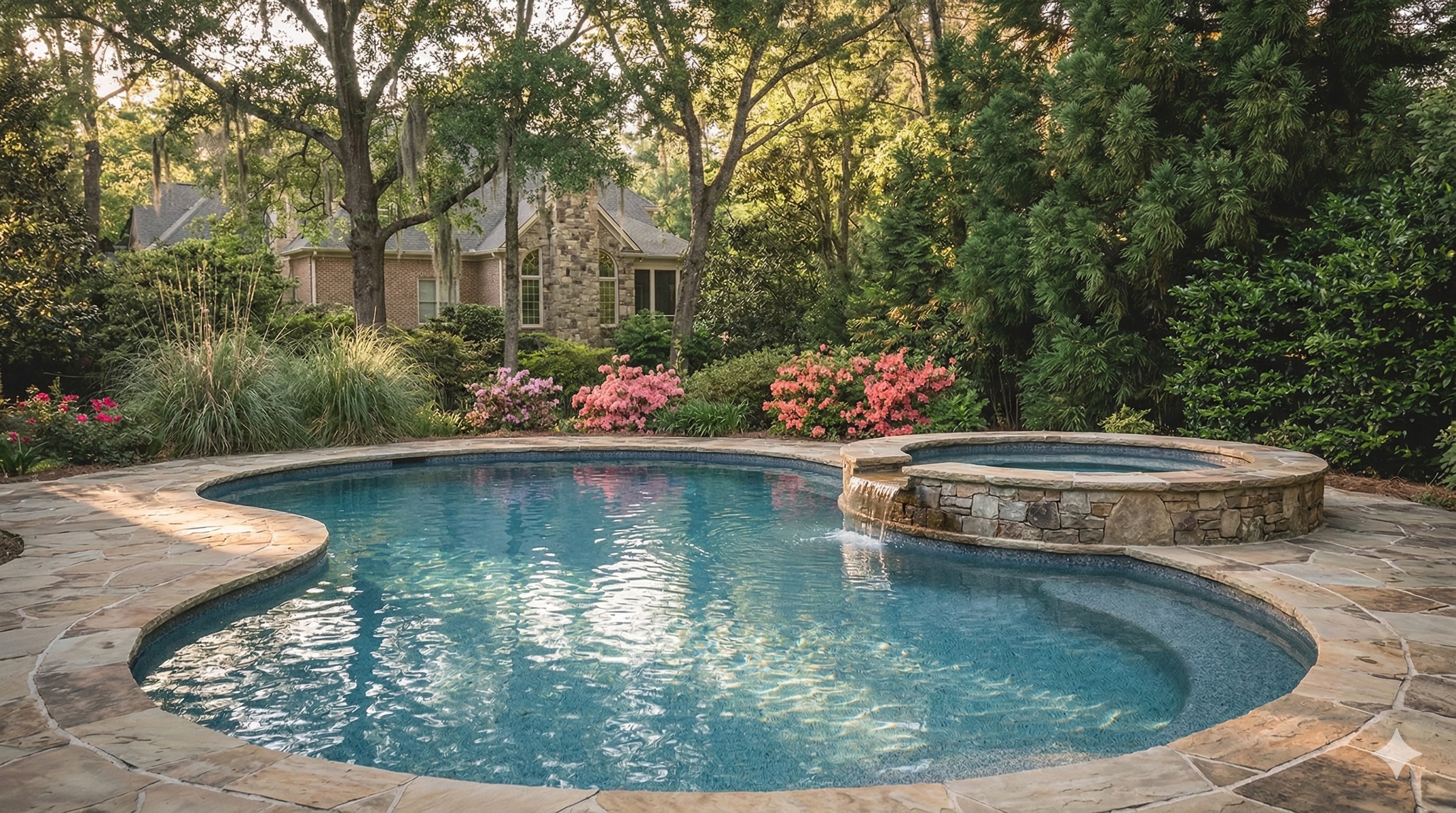
Both pools looked great at completion. The pebble pool has a warmer, more natural look — the water reads as a deep tropical blue-green. The quartz pool has a cleaner, more contemporary feel — the water reads as a bright, clear blue with a subtle shimmer in direct sunlight.
The pebble homeowner has two young kids and wanted something that could take a beating without showing wear. The quartz homeowner does laps three times a week and wanted the smoothest possible surface. Both made the right call for their situation. The cost difference was about $800 — negligible on a project this size.
How to Actually Decide
Here's the decision framework we walk homeowners through during consultations:
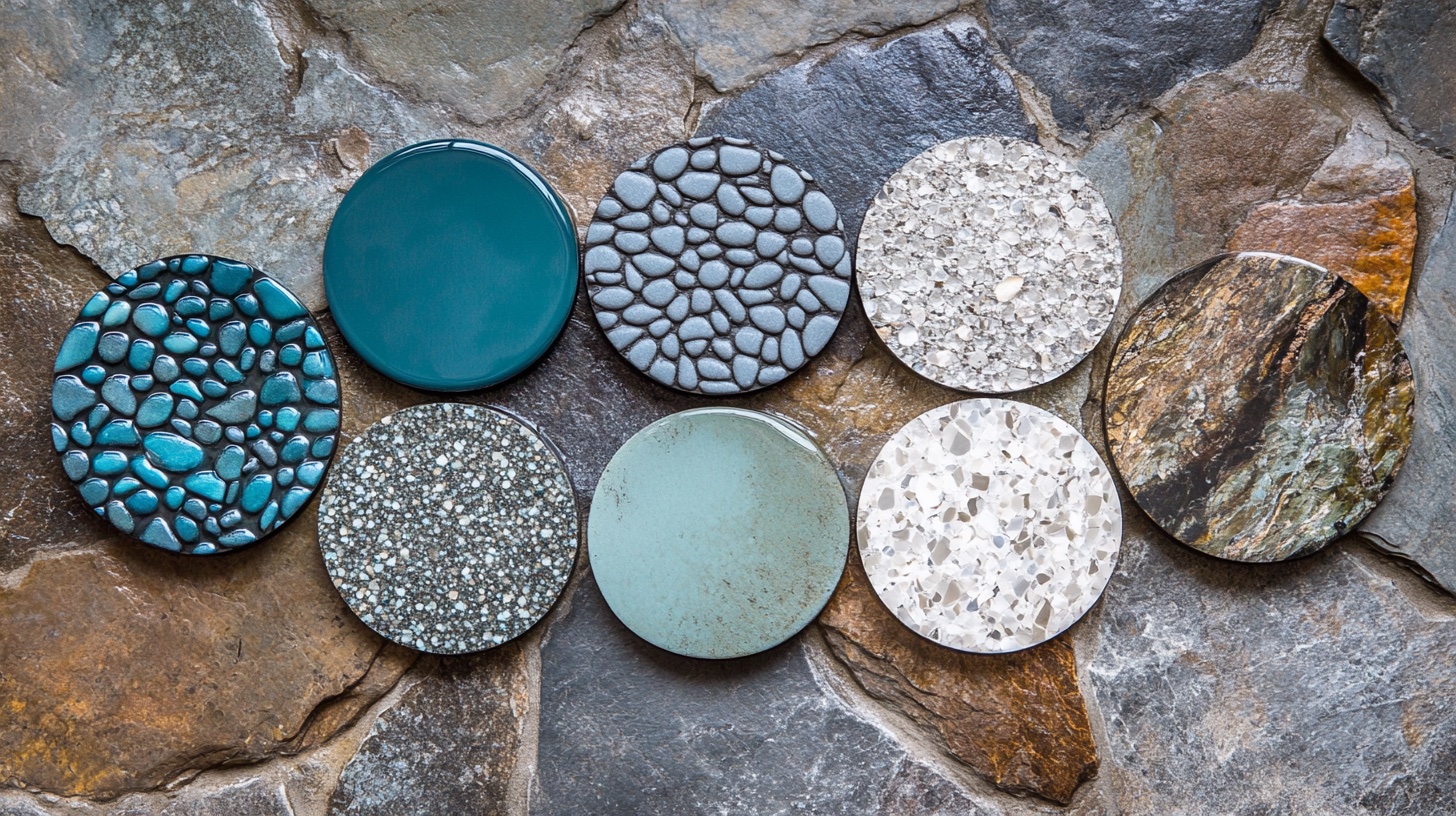
Start with texture. Go feel the difference. Seriously — this matters more than specs on a page. We either bring finish samples to your home or take you to the material center to see and feel each option in person. What looks great in a photo might feel wrong underfoot, and vice versa.
Then think about time horizon. How long are you staying in this house? If it's 3 to 5 years, plaster might make financial sense. If it's 10+, the math favors pebble or quartz.
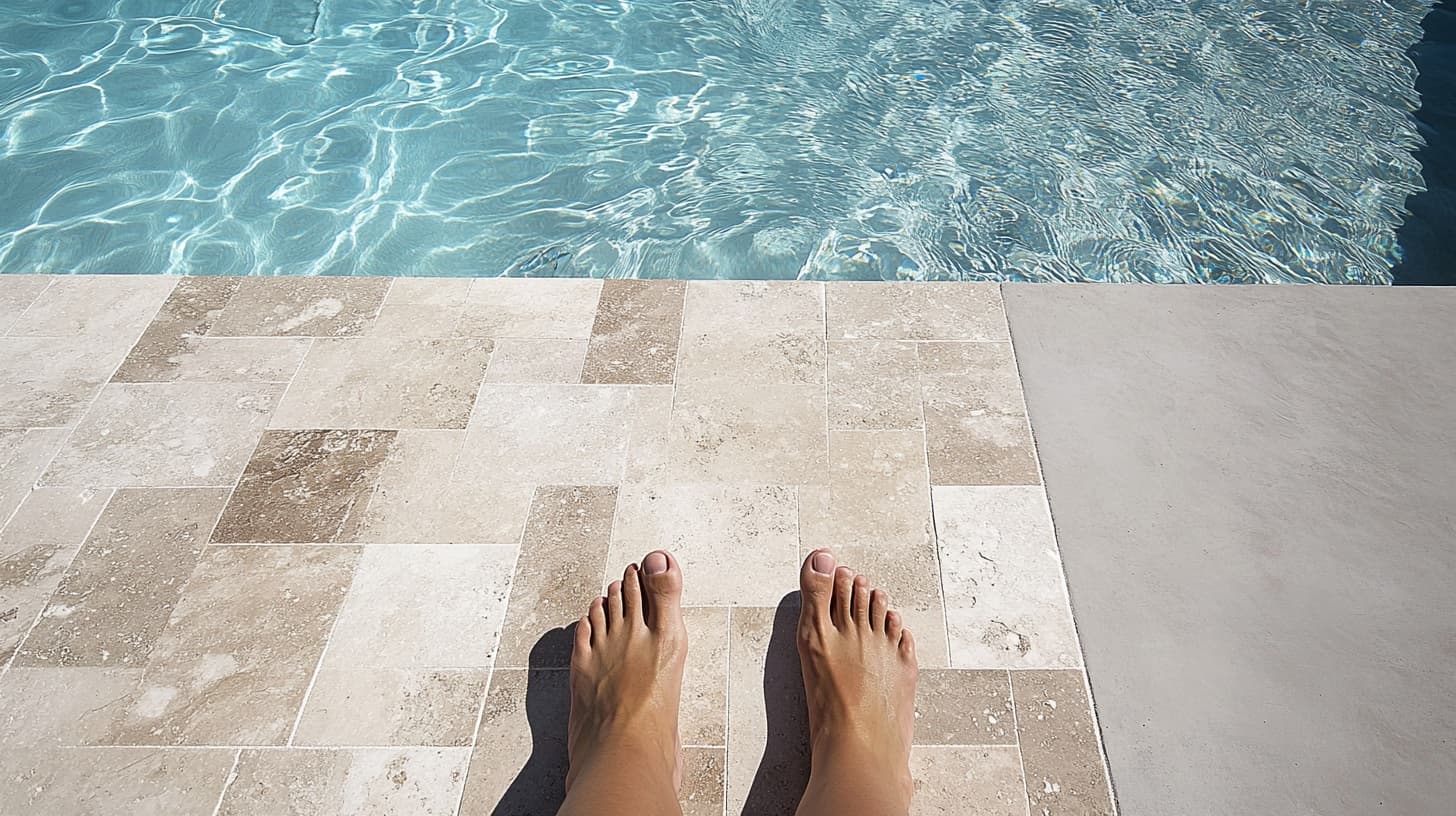
Then match the aesthetic. Look at your pool deck, your coping, your home's exterior. A natural stone pebble finish pairs beautifully with travertine coping. A clean quartz finish might work better with a modern concrete deck. Your finish choice should complement what's around the pool, not fight it.
Finally, factor in maintenance reality. Be straightforward with yourself about how attentive you are with water chemistry. If you've got a service company managing it weekly, any finish will do well. If you're more of a "check it when we remember" homeowner, pebble's forgiveness is worth the premium.
A Note on Your Existing Surface
One thing most blog posts won't tell you: the condition of your current surface can influence which new finish makes the most sense. If your existing plaster is in rough shape with deep delamination, the prep work is the same regardless of what goes on top — so the cost difference between plaster and pebble shrinks in percentage terms. At that point, upgrading to a longer-lasting finish is almost always the smarter move.
See and Feel the Difference Before You Decide
This isn't a decision you should make from a website. Reach out to Cornerstone Pool & Remodel, and we'll walk you through the real samples — not just color chips, but actual finish samples you can touch. We'll look at your pool, your deck, and your surroundings and help you match the right material to your specific situation.
Give us a call or fill out the contact form to schedule a free consultation.
Ready to Talk About Your Pool?
Get a free, no-obligation consultation from Cornerstone Pool & Remodel.
Request a Free Quote