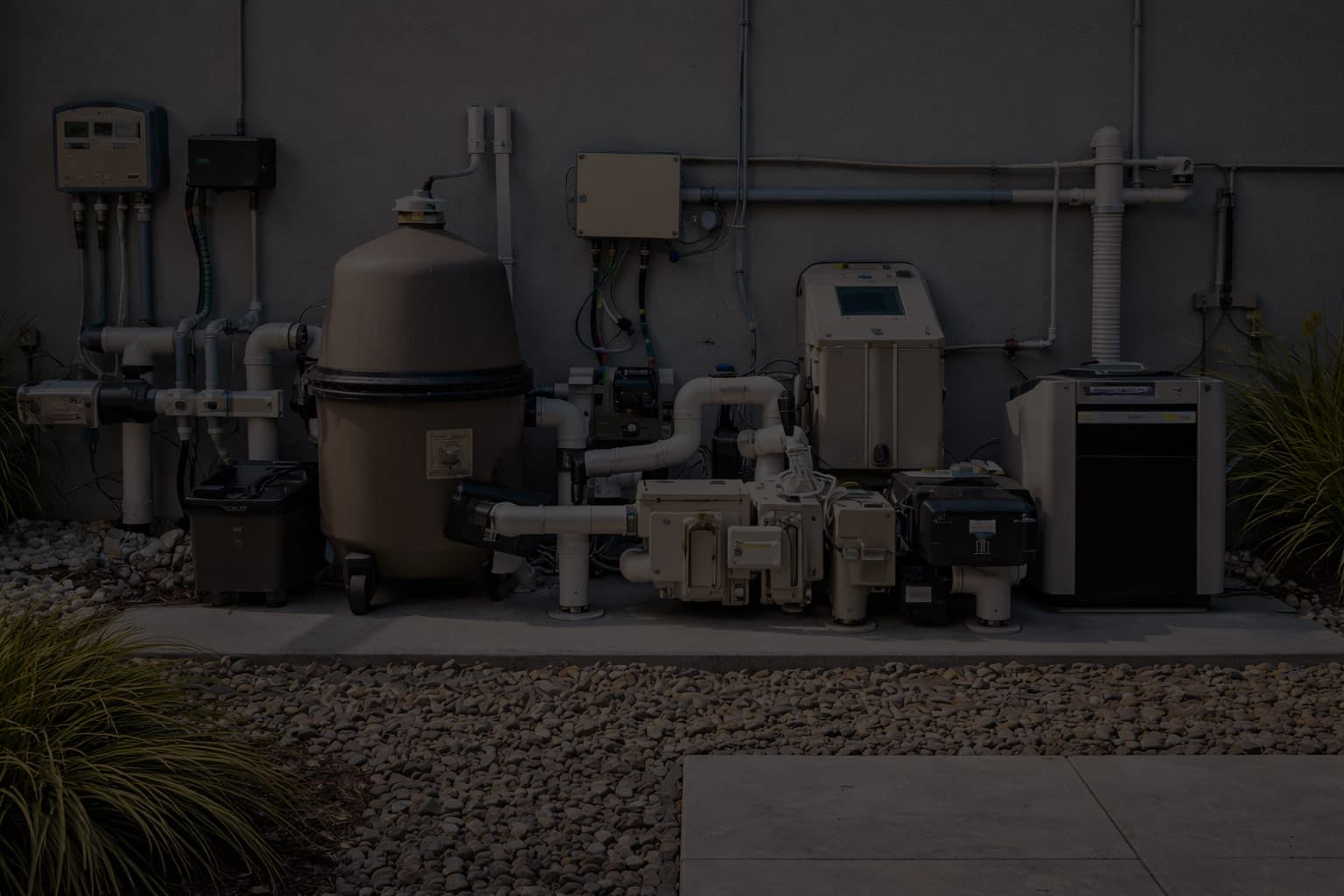
The Best-Looking Pool Still Needs
the Right Equipment Behind It
A pool renovation isn't complete at the waterline. Behind every beautiful surface, every clean edge, and every clear body of water is a set of mechanical systems that keep it all running — the pump that circulates the water, the heater that extends your swim season, the sanitation system that keeps the chemistry stable, and the automation that lets you control it all without walking out to the equipment pad. We install and upgrade pumps, heaters, salt systems, LED lighting, and smart automation as an integrated part of your renovation — not an afterthought.
A Renovation Is the Smartest
Time to Upgrade
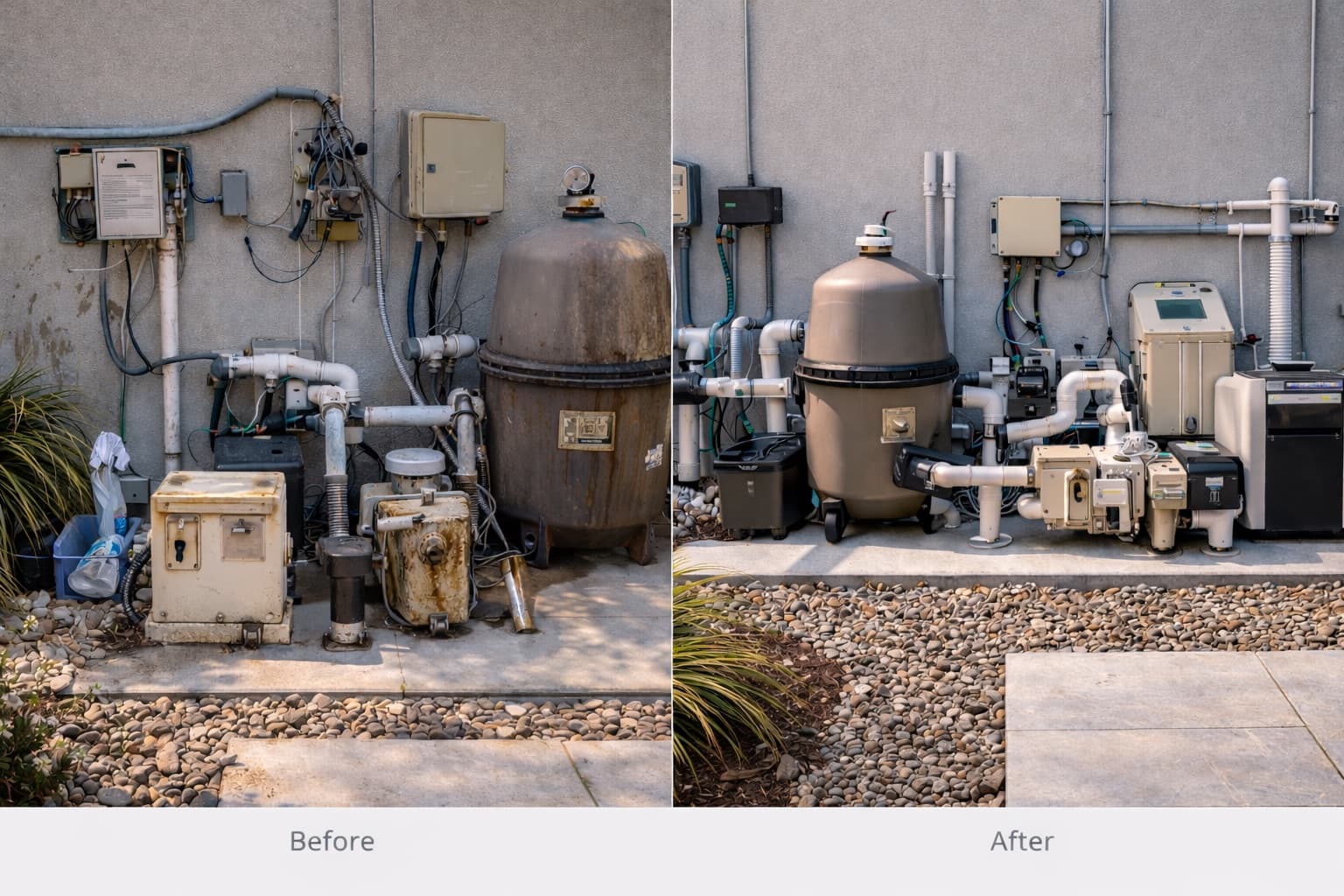
Most homeowners don't think about their pool equipment until something breaks. A renovation changes that equation. The pool is already being worked on. Plumbing is already being accessed. The equipment pad is already part of the project scope. This is the most efficient and cost-effective time to evaluate what you're running, replace what's aging or undersized, and upgrade to systems that will match the investment you're making in the rest of the pool.
A renovation is the smartest time to upgrade. Equipment that was adequate for the pool's original configuration may not be sized correctly for a renovated pool — especially one with new features like a spa, water features, or a tanning ledge that place additional demands on circulation and heating. Evaluating and upgrading equipment during the renovation means everything is spec'd for the pool as it will be, not as it was.
What We Install & Upgrade
Variable-Speed Pumps
A variable-speed pump alone can cut pump energy costs by 50 to 70 percent compared to a single-speed unit. Unlike single-speed pumps that run at full power regardless of what the pool needs, variable-speed models adjust their output to match the current demand — running at lower speeds for daily circulation and ramping up only when needed for cleaning or spa jets. The energy savings are substantial, and in most cases, the pump pays for itself within a few years through reduced electricity costs.
Proper sizing matters. An undersized pump creates inadequate circulation, which leads to water quality issues. An oversized pump wastes energy and can create excessive flow that damages plumbing and equipment. We size every pump based on the renovated pool's specific needs — its volume, plumbing configuration, and any new features that affect flow requirements.
Heaters & Heat Pumps
Gas heaters deliver rapid heating for on-demand use and are especially effective for spas, where you want the water hot quickly without waiting hours for it to come up to temperature. Electric heat pumps are more energy-efficient for maintaining consistent pool temperatures throughout the season — they extract heat from the ambient air and transfer it to the water, which makes them significantly cheaper to operate than gas heaters over time.
Many homeowners install both — a heat pump for the pool and a gas heater for the spa — to get the best of both worlds. The right setup depends on how you use the pool, how often you heat it, and whether a spa is part of the renovation. We'll walk through the options and help you choose the configuration that matches your actual usage patterns, not just what's standard.
Salt Chlorine Generators
Salt systems generate chlorine from dissolved salt in the pool water, eliminating the need to buy, store, and manually add chlorine. The water feels noticeably softer on skin and eyes, the chlorine level stays more stable throughout the day, and the ongoing chemical costs drop significantly.
Salt systems aren't maintenance-free — the salt cell needs periodic cleaning and eventual replacement — but the day-to-day convenience is a meaningful upgrade from manual chlorination. If you value softer water, lower chemical maintenance, and reduced chlorine odor, a salt system is a worthwhile upgrade. The system does require a compatible surface finish, which is another reason to plan the equipment alongside the renovation.
Filters
Three primary filter types serve residential pools: cartridge, sand, and diatomaceous earth (DE). Modern cartridge filters offer superior particle filtration without the backwashing requirements of sand and DE systems, which means less water waste and simpler maintenance.
Sand filters are the most common legacy system — they're reliable and low-cost but filter at a coarser level than cartridge or DE. DE filters provide the finest filtration but require more hands-on maintenance. For most pool renovations, we recommend cartridge filters for their balance of filtration quality, maintenance simplicity, and water conservation. The right filter depends on the pool's volume, the pump's output, and the homeowner's maintenance preferences.
LED Lighting
Lighting transforms how your pool looks and feels after dark — and modern LED pool lights are a dramatic upgrade from the incandescent fixtures that most older pools still have. LEDs consume a fraction of the energy, last significantly longer, and are available in color-changing configurations that let you shift the pool's ambiance from cool blue to warm white to vibrant party colors with the touch of a button.
LED lighting is also one of the most impactful visual upgrades you can make during a renovation. Underwater lights, perimeter deck lighting, and feature lights on raised walls or water features turn the pool area into a genuine evening entertainment space. During a renovation, the wiring and fixture installation can be integrated into the project scope rather than treated as a separate electrical job.
Automation & Smart Controls
Automation systems let you control your pool's pump, heater, lights, water features, and other components from a single panel at the equipment pad — or from your phone anywhere in the world. Modern systems integrate with home automation platforms and voice assistants, so you can turn on the spa, adjust the temperature, or set the lighting with a tap or a voice command.
Beyond convenience, automation enables scheduling that optimizes energy use — running the pump at lower speeds during off-peak hours, heating the spa only before planned use, and automating chemical dosing for consistent water quality. It's the kind of upgrade that seems like a luxury until you have it, and then you can't imagine managing the pool without it.
Integrated, Not Afterthought
Equipment installation is often the last thing a pool renovation company thinks about — and it shows. Pumps get replaced with whatever's in stock. Heaters get sized based on the old pool configuration, not the new one. Automation gets treated as a separate project that happens after everything else is done.
We take the opposite approach. Equipment is evaluated against the renovated pool's demands during the planning phase, not after the build is complete. If a spa addition requires more heating capacity, that's factored in before the plumbing is run. If new water features need a dedicated pump, it's specified and ordered alongside the rest of the build materials. Everything is spec'd, plumbed, wired, and installed as part of the build — with licensed electricians handling all electrical work to code.
The result is equipment that's matched to the pool, installed cleanly, and fully operational the day the renovation is complete — not a patchwork of aftermarket additions bolted on over time.
Common Questions About Pool Equipment
Most pool equipment has a useful life of 8 to 12 years depending on the component and how well it's been maintained. Signs include frequent repairs, declining performance, unusual noise, increasing energy costs, and age. If your pool equipment is more than 8 years old and you're planning a renovation, it's worth evaluating whether it makes sense to upgrade now rather than dealing with failures after the renovation is complete.
Yes, substantially. Variable-speed pumps reduce pump energy costs by 50 to 70 percent. Salt systems cut ongoing chlorine purchases. LED lighting reduces energy consumption dramatically compared to incandescent fixtures. Modern heaters and heat pumps are significantly more efficient than older models. The upfront investment in modern pool equipment typically pays for itself within a few years through reduced operating costs.
It depends on your current pool equipment. Some existing pumps, heaters, and lights can be integrated into a new automation system with compatible relays and actuators. Others — particularly older single-speed pumps and non-compatible heaters — may need to be replaced to work with modern automation. We'll evaluate your existing setup and give you an honest assessment of what can be integrated and what needs to be upgraded.
Efficiency and integration. During a renovation, the plumbing is already being accessed, the equipment pad is already part of the work scope, and any electrical or gas line work can be coordinated with the build. Upgrading later means a separate mobilization, separate plumbing and electrical work, and the risk that the new pool equipment needs modifications to work with the recently installed plumbing — all of which adds cost and complexity.
If you value softer water, lower chemical maintenance, and reduced chlorine odor, a salt system is a worthwhile upgrade. The water quality difference is noticeable — softer on skin and eyes, less chemical smell, and more stable sanitizer levels. The system does require a compatible surface finish and periodic cell replacement, but the ongoing convenience and reduced chemical costs make it one of the most popular pool equipment upgrades we do.
Yes. All electrical work — including wiring for automation panels, lighting circuits, heater hookups, and any panel upgrades needed to support new pool equipment — is performed by licensed electricians as part of our project. We don't leave the electrical work for the homeowner to coordinate separately.
From Our Blog
Helpful articles related to pool equipment.
Often Done Together
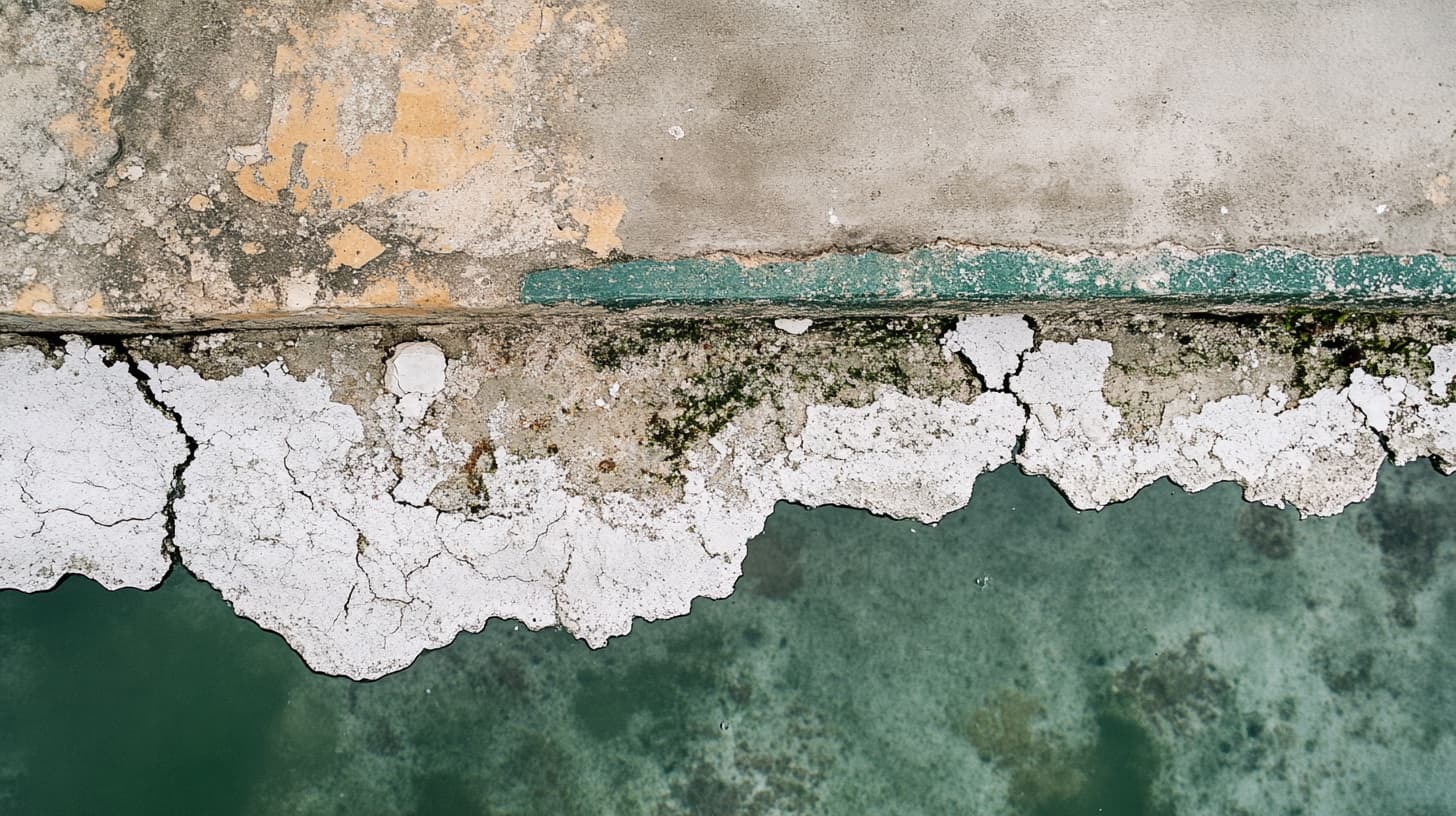
Equipment upgrades are most commonly part of a larger renovation — and for good reason. When the pool is already being worked on, it's the most efficient time to address the systems behind it. Here are the services most frequently paired with equipment work:
Pool Resurfacing
Your pool's interior surface determines how it looks, feels, and holds up over time. We manage the full resurfacing process — from drain and prep through finish application and startup — in plaster, pebble, and quartz.
Structural Modifications
Tanning ledges, spa additions, water features, bench seating, beach entries, and depth changes — we redesign how your pool works, not just how it looks.
Pool Deck
The largest surface around your pool sets the tone for the entire backyard. We handle full tear-outs, overlays, and new installations in pavers, travertine, natural stone, and stamped concrete.
Ready to Upgrade What's Behind the Scenes?
Whether you're planning a full renovation and want the equipment to match, or you know your current systems are on borrowed time, we'll evaluate what you're running, what the renovated pool will demand, and what makes sense to upgrade now versus later. Honest recommendations, no upselling on equipment you don't need.