You're getting ready to sell your house, and the pool looks like it belongs to the previous decade. The plaster is rough, the coping is cracked, and the deck has that faded, stained look that makes the whole backyard feel tired.
The question isn't whether the pool hurts your listing — it does. A neglected pool is the first thing buyers notice in the backyard and the first reason they start discounting their offer. The question is: what renovations actually pay for themselves at the closing table, and what's wasted money on a house you're about to leave?
Here's how we think about it.
The Renovations That Pay for Themselves
Resurfacing
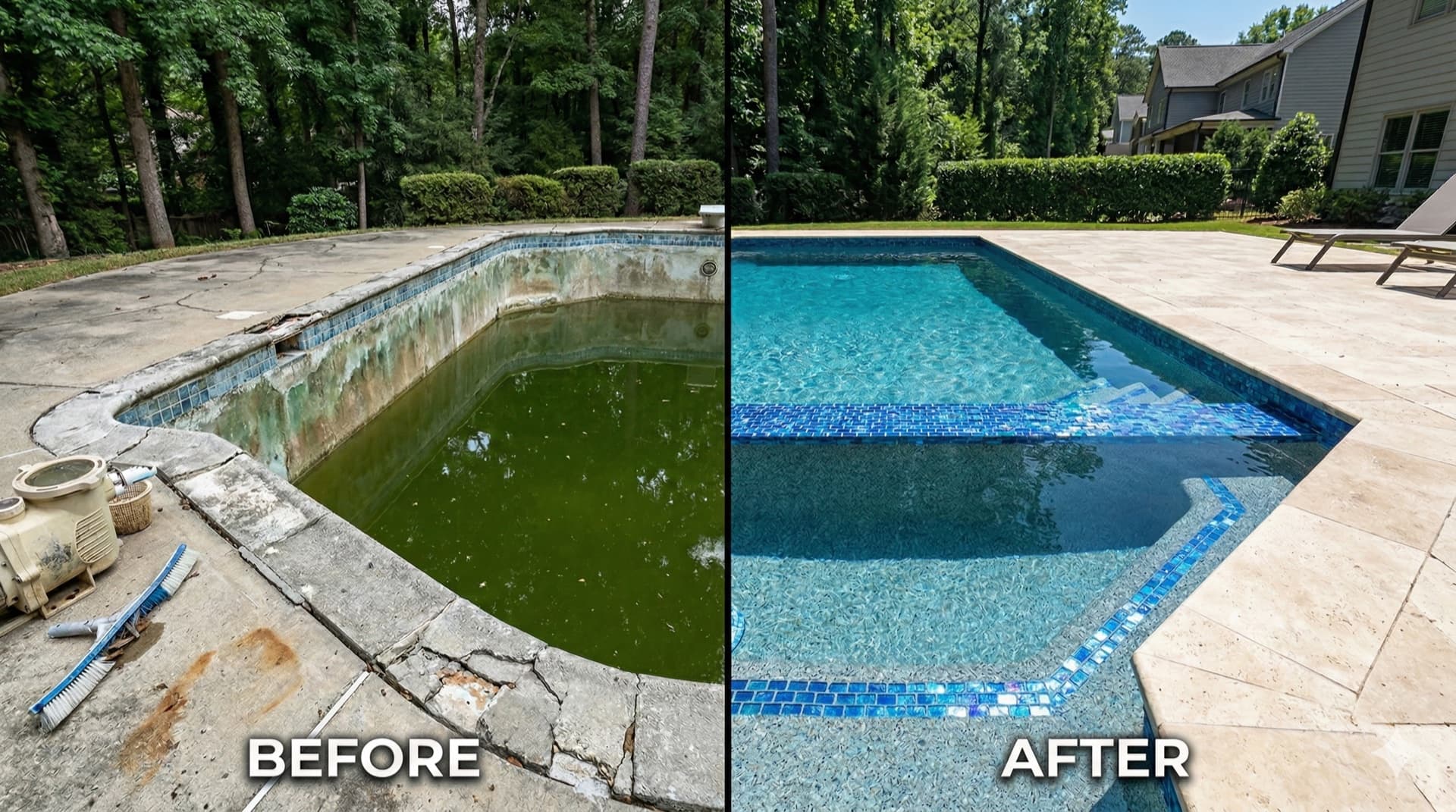
A rough, stained, or discolored pool surface is the single biggest red flag buyers see. It screams "this pool hasn't been maintained" and makes buyers assume the worst about everything else — the plumbing, the equipment, the structure.
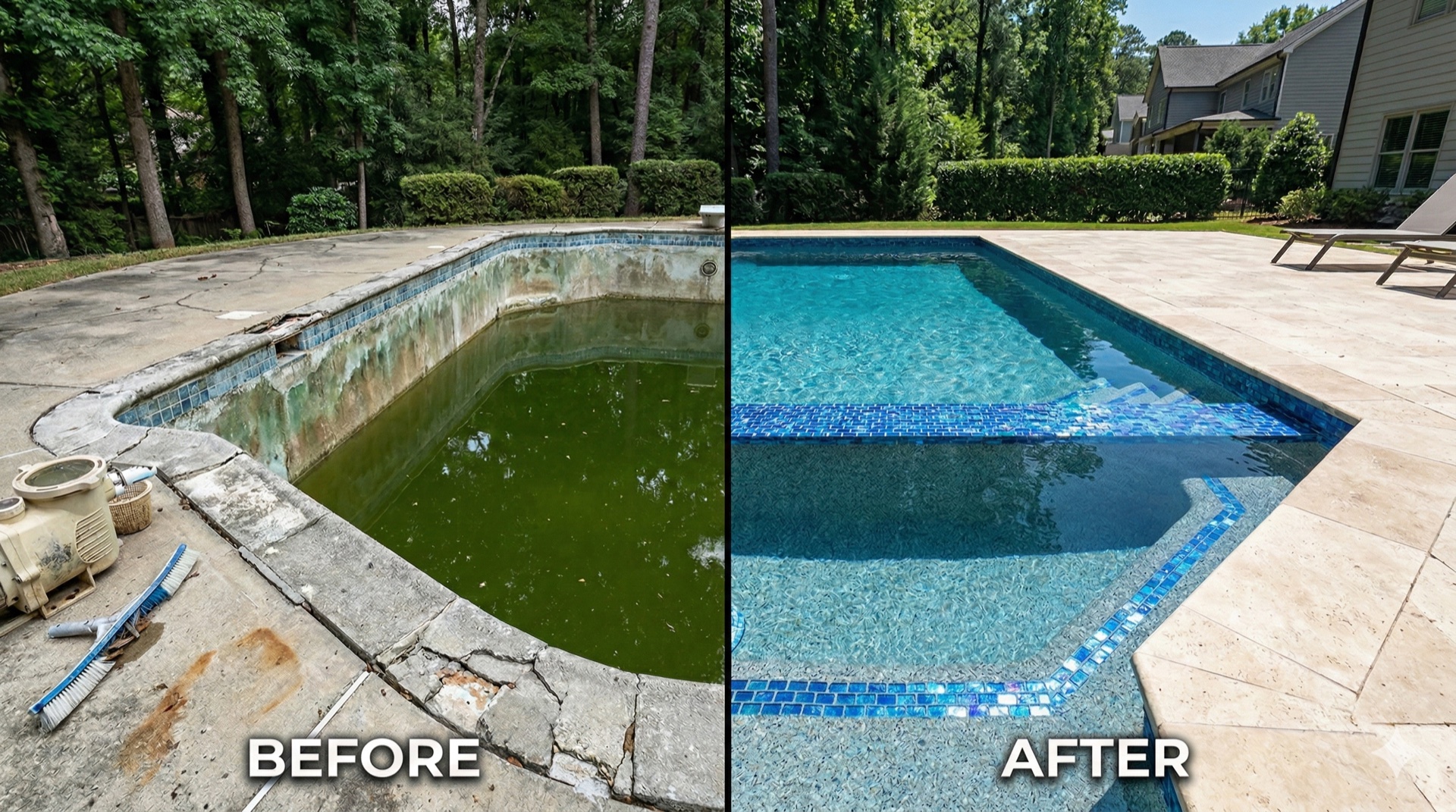
A fresh pebble or quartz finish transforms the pool's appearance for $7,000 to $13,000. In Metro Atlanta's housing market, a pool that looks new versus a pool that looks neglected can swing a buyer's perception of the entire outdoor space — which in neighborhoods like Dunwoody and Johns Creek represents a meaningful portion of home value.
The ROI: real estate agents consistently report that a resurfaced pool recovers 50% to 75% of the cost through higher offers and faster time on market. The indirect ROI — removing a negotiation point that buyers use to grind down your price — is arguably worth even more.
Coping Replacement
If the coping is visibly cracked, separated, or mismatched, replacing it alongside a resurface is worth the investment. Cracked coping signals structural neglect to buyers and home inspectors alike.
Upgrading from cracked concrete coping to travertine during a resurface adds $2,500 to $5,000. It's a visual upgrade that photographs well (critical for listings) and eliminates an inspection concern that could cost you more in buyer negotiations.
Deck Repair (Not Necessarily Replacement)
Here's where pre-sale renovation gets nuanced. A full deck replacement — travertine pavers, new base, proper drainage — is a $15,000 to $30,000+ project. That's hard to recover fully at closing.
But a deck that's cracked and stained can often be improved significantly with targeted repairs: filling and sealing major cracks, pressure washing, and applying a fresh concrete sealer. Cost: $500 to $2,000, and it makes the deck look maintained rather than neglected.
If the deck is truly destroyed — broken slabs, major settling, trip hazards — replacement becomes necessary because a home inspector will flag it and buyers will demand either a credit or a repair. In that case, consider a mid-range paver installation rather than premium travertine. The goal is "looks good and passes inspection," not "dream backyard."
The Renovations to Skip Before a Sale
Structural Modifications
Adding a spa, building a tanning ledge, or changing the pool shape costs $15,000 to $35,000+ and requires weeks of construction. You won't recover this cost at sale, and the construction disruption during the listing period hurts more than the upgrade helps.
These are projects that make sense when you're going to enjoy them for years. When you're selling in 3 to 6 months, skip them.
Premium Equipment Upgrades
That pool automation system and variable-speed pump are great investments if you're staying — but buyers don't value them the way they value visual improvements. A buyer notices a beautiful pool surface. They don't notice that the pump runs 40% more efficiently.
Exception: if the existing equipment is dead or failing, replace it with functional mid-range equipment. A home inspector flagging non-functional pool equipment creates a much bigger problem than the cost of a basic equipment replacement.
Custom Tile Work
Custom glass mosaic waterline tile is one of the details that makes a renovation special for the homeowner. But for a sale, a clean, updated standard tile band does the same job at a fraction of the cost. Save the custom tile work for someone who's going to appreciate it every day.
The Pre-Sale Renovation Package
Based on pre-sale projects we've completed across Metro Atlanta, here's the package that maximizes return:
The essentials (do these): Resurface with a mid-range pebble finish (StoneScapes Mini Pebble or similar), replace the coping with travertine or clean precast, install standard waterline tile, and service or replace any non-functional equipment.
Cost: $12,000 to $20,000 for a typical Metro Atlanta pool.
The smart additions (if the budget allows): Pressure wash and seal the deck, replace any broken or hazardous deck sections, add basic LED pool lighting ($300 to $800 per light — dramatic visual impact for listing photos).
Additional cost: $1,000 to $4,000.
The total investment: $13,000 to $24,000 for a pool that photographs beautifully, passes inspection cleanly, and eliminates the buyer's main negotiation leverage on the outdoor space.
Timeline Matters When You're Selling
A standard resurfacing + coping project takes 3 to 5 weeks from first call to swimming. If you're planning to list in 6 to 8 weeks, you need to start now.
Here's the typical pre-sale renovation timeline:
Week 1: Consultation and quote.
Week 2: Material selection and scheduling. For a pre-sale renovation, material selection is simpler — you're choosing for broad appeal, not personal taste. Neutral pebble finishes (Caribbean Blue, Tropics Blue, or Aqua White) and ivory or cream travertine coping appeal to the widest range of buyers.
Weeks 3–5: Production, cure, and fill.
Week 6: Pool is full, water is balanced, and the backyard is listing-ready.
If permits are needed (uncommon for a standard resurface + coping project), add 2 to 3 weeks for permitting.
What About "As-Is" Pricing?
Some sellers consider leaving the pool alone and pricing the home "as-is" with a pool credit or lower asking price. This works, but usually costs you more than the renovation.
Buyers discount aggressively for pool problems. They don't estimate what the repair actually costs — they estimate what it might cost plus a hassle margin. A $15,000 renovation becomes a $25,000 to $30,000 buyer credit request in negotiation. And the pool's appearance in listing photos turns away some buyers before they even schedule a showing.
Spending $15,000 to $20,000 on a pre-sale renovation almost always results in a better net outcome than giving a $25,000+ credit at closing.
The Listing Photo Factor
This is the part sellers underestimate. In Metro Atlanta's market, 95%+ of buyers see your home online first. The backyard photo with the pool is one of the top-clicked images in any listing.
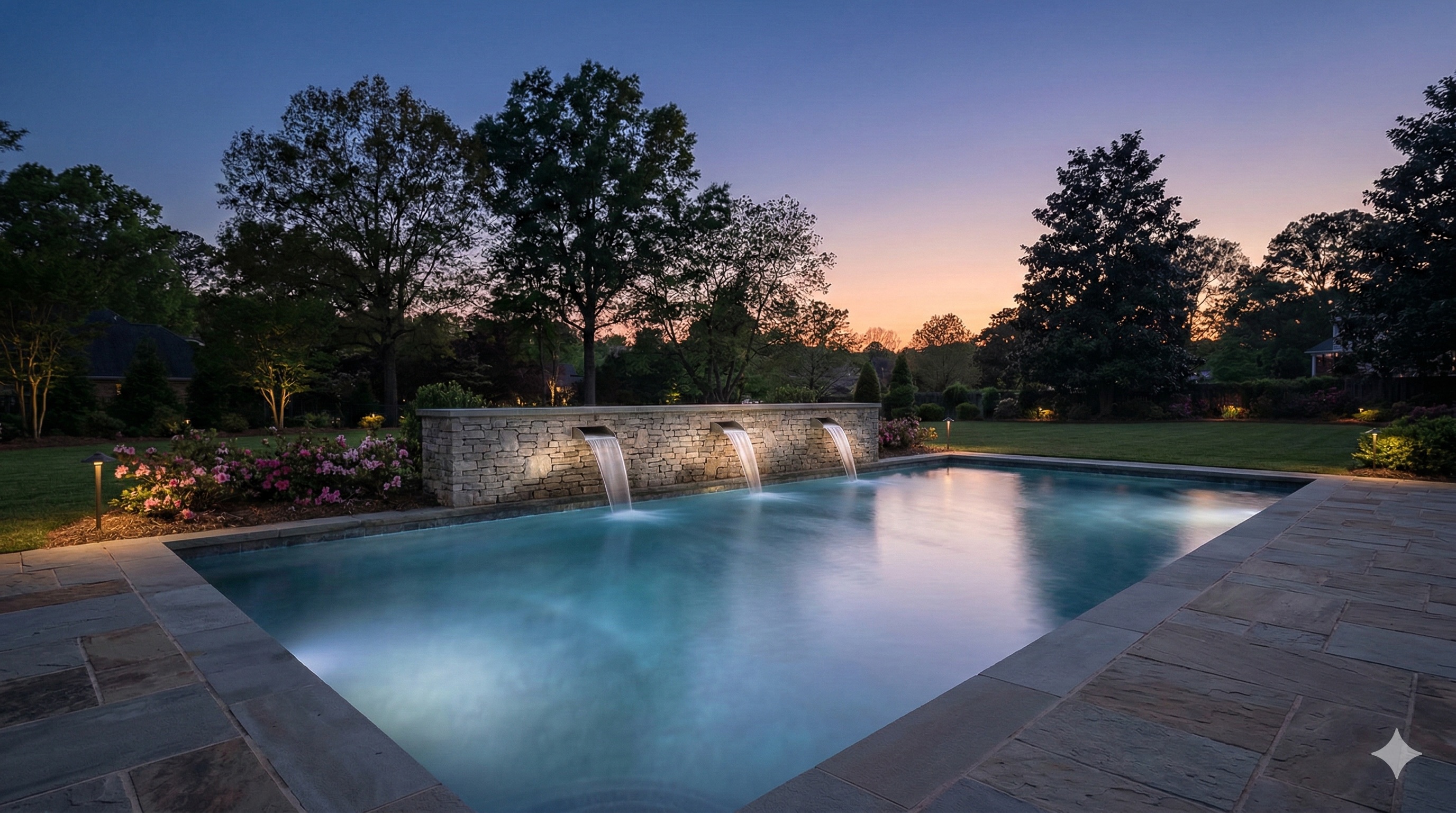
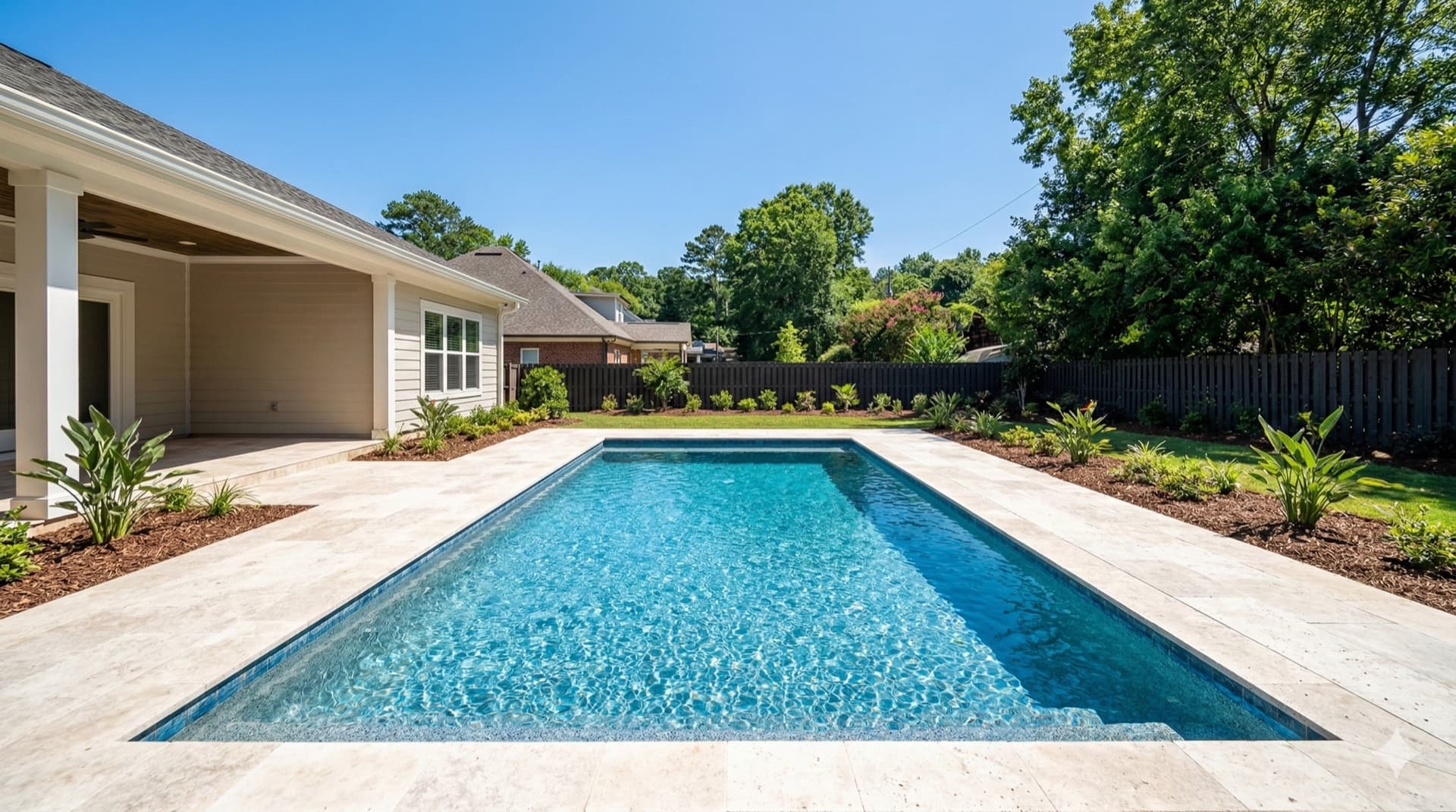
A pool with fresh pebble finish, clean coping, and sparkling water photographs dramatically better than one with stained plaster and cracked concrete. That single photo can be the difference between a buyer scheduling a showing or scrolling past.
If you're investing in pre-sale pool renovation, time the project so the pool is filled, the water is balanced and clear, and the landscaping is cleaned up before listing photos are taken.
A Pre-Sale Renovation That Paid Off
A homeowner in Dunwoody had a listing target of mid-May and reached out in March. The 2004-era pool had crazing plaster, cracked poured-concrete coping, and faded waterline tile. Their agent had told them the pool was "hurting the listing" and suggested a $30,000 buyer credit.
The renovation focused on pre-sale essentials: StoneScapes Mini Pebble in Aqua White (neutral, broad appeal), tumbled ivory travertine coping, and a clean porcelain waterline tile band. The deck was stained but structurally sound — pressure washing and sealing brought it back. Total project: $16,800, completed in four weeks.
The home listed with professional photos showing the renovated pool. It went under contract in 11 days at $18,000 over the initial asking price their agent had planned before the renovation. The seller's net gain — factoring in the renovation cost versus the $30,000 credit they would have given — was roughly $31,000 better than the as-is scenario.
Zillow's 2024 housing data analysis found that homes with pools in good condition sell for 2% to 7% more than comparable homes with pools in poor condition, with the premium highest in Sun Belt markets with extended swim seasons — a description that fits Metro Atlanta precisely.
Get Your Pool Listing-Ready
If you're selling a home with a pool that needs work, we can move quickly. We'll walk the pool, give you a clear recommendation on what's worth renovating for the sale and what isn't, and provide a detailed quote within a few days.
Fill out the contact form or call — We understand the timeline pressure and can typically start within two weeks of the consultation.
Ready to Talk About Your Pool?
Get a free, no-obligation consultation from Cornerstone Pool & Remodel.
Request a Free Quote